What Does It Mean When a Carbon Monoxide Detector Beeps?
Understanding the beeping of a carbon monoxide detector is crucial for maintaining a safe living environment. The sounds emitted by these detectors are not just random; they convey specific messages that can help in diagnosing potential dangers or issues with the device. If you’ve ever heard a carbon monoxide detector beeping, it’s essential to pay attention and understand what those beeps signify.
Identifying Beep Patterns
Carbon monoxide detectors typically utilize different beep patterns to communicate their status. A continuous alarm usually indicates the presence of carbon monoxide in your home, signaling an urgent need for action. Conversely, intermittent beeping often reflects a low battery or a need for maintenance. Familiarizing yourself with these beep patterns can significantly increase your ability to respond appropriately.
- Continuous beeping: Indicates the presence of carbon monoxide.
- Intermittent chirping: Signals low battery or a malfunction.
- Occasional beeps: May suggest the need for cleaning or testing.
Common Causes of Alarm Activation
Several factors can trigger a carbon monoxide detector to sound an alarm. The primary cause is the presence of carbon monoxide, which can stem from poorly functioning appliances, blocked exhaust vents, or even vehicles left running in attached garages. Other causes of alarm activation include environmental elements such as high humidity or extreme temperatures affecting sensor functionality.
What to Do When It Beeps
When your carbon monoxide detector starts beeping, your first action should be to evacuate all occupants from the premises immediately, followed by contacting emergency services. Never ignore the alarm or assume it is a false alert. Once safety is ensured, investigate the source of the beeping to determine whether it is a device malfunction or an actual CO leak.
How to Test Your Carbon Monoxide Detector
Regular testing and maintenance of your carbon monoxide detector are crucial actions to ensure its effective operation. Knowing how to test these devices can save lives by giving you peace of mind that your alarm is ready to alert you to danger.
Regular Maintenance and Testing Procedures
To keep your carbon monoxide detector functioning properly, adhere to the following maintenance guidelines:
- Test the detector monthly by pressing the test button until you hear a beep.
- Replace batteries every six months, or as recommended by the manufacturer.
- Clean the detector at least once a year to remove dust and debris.
Signs It Needs Replacement
Over time, carbon monoxide detectors can lose their accuracy. Be mindful of signs that indicate a need for replacement:
- The detector is more than 7 years old.
- If it frequently chirps or beeps despite having new batteries.
- There is visible damage or dust accumulation on the unit.
Importance of Timely Checks
Timely checks and maintenance prevent false alarms and ensure that your detector remains effective in case of an emergency. Neglecting this responsibility could endanger your household. Forming a habit of checking the device regularly can also contribute to longer device life and improved reliability.
Top Reasons Why a Carbon Monoxide Detector Might Malfunction
Even the best technology can encounter performance issues. Understanding the reasons for malfunction not only assists in troubleshooting but also helps to avoid future problems.
Environmental Factors Affecting Performance
Environmental factors such as extreme temperatures, humidity levels, and even poor air circulation can impact the performance of carbon monoxide detectors. For instance, placing a detector near windows or doors might expose it to drafts that can lead to erratic alerts or failure to detect CO properly.
Battery Issues and Product Longevity
Battery quality plays a significant role in the overall functionality of a carbon monoxide detector. Using cheap or expired batteries can lead to inconsistent performance and frequent false alarms. Always opt for the recommended battery type for your device and replace it as prescribed by the manufacturer.
Incorrect Installation Challenges
Improper installation can lead to failure in detecting carbon monoxide effectively. Carbon monoxide detectors should be installed in central locations, away from vents and obstructions. Always follow the manufacturer’s instructions and consider hiring a professional for optimal placement.
Effective Strategies for Preventing False Alarms
False alarms can lead to complacency and lack of trust in your carbon monoxide detector. Implementing strategies to prevent these incidents is vital for maintaining its reliability.
Tips for Proper Placement of Detectors
Placement is key in ensuring that your carbon monoxide detector operates effectively:
- Install detectors on every level of your home, particularly near sleeping areas.
- Avoid placing them near kitchens, as cooking fumes can trigger false alarms.
- Ensure proper height placement; detectors should be at least 5 feet off the ground.
Avoiding Common Mistakes
Some pitfalls to avoid that can contribute to false alarms include:
- Neglecting to replace batteries regularly.
- Using insufficient protections for combustion appliances.
- Failing to seek professional assistance for potential malfunctions.
Testing Tools and Resources
Various tools and resources are available to facilitate testing and ensure your detector is functioning correctly. Utilize household testing kits and consult industry guidance on regular maintenance procedures. Such diligence can enhance the longevity and effectiveness of your carbon monoxide detectors.
Upgrading Your Home Safety with Smart Detectors
As technology evolves, so do the capabilities of carbon monoxide detectors. Smart detectors are becoming increasingly popular as they offer enhanced safety features that enhance home security.
Benefits of Modern Carbon Monoxide Detectors
Modern detectors come equipped with a range of benefits, including:
- Real-time alerts to mobile devices or HVAC systems, ensuring prompt attention.
- Enhanced accuracy through advanced sensor technology.
- Integration with home automation systems for comprehensive safety monitoring.
Integrating Smart Technology for Enhanced Monitoring
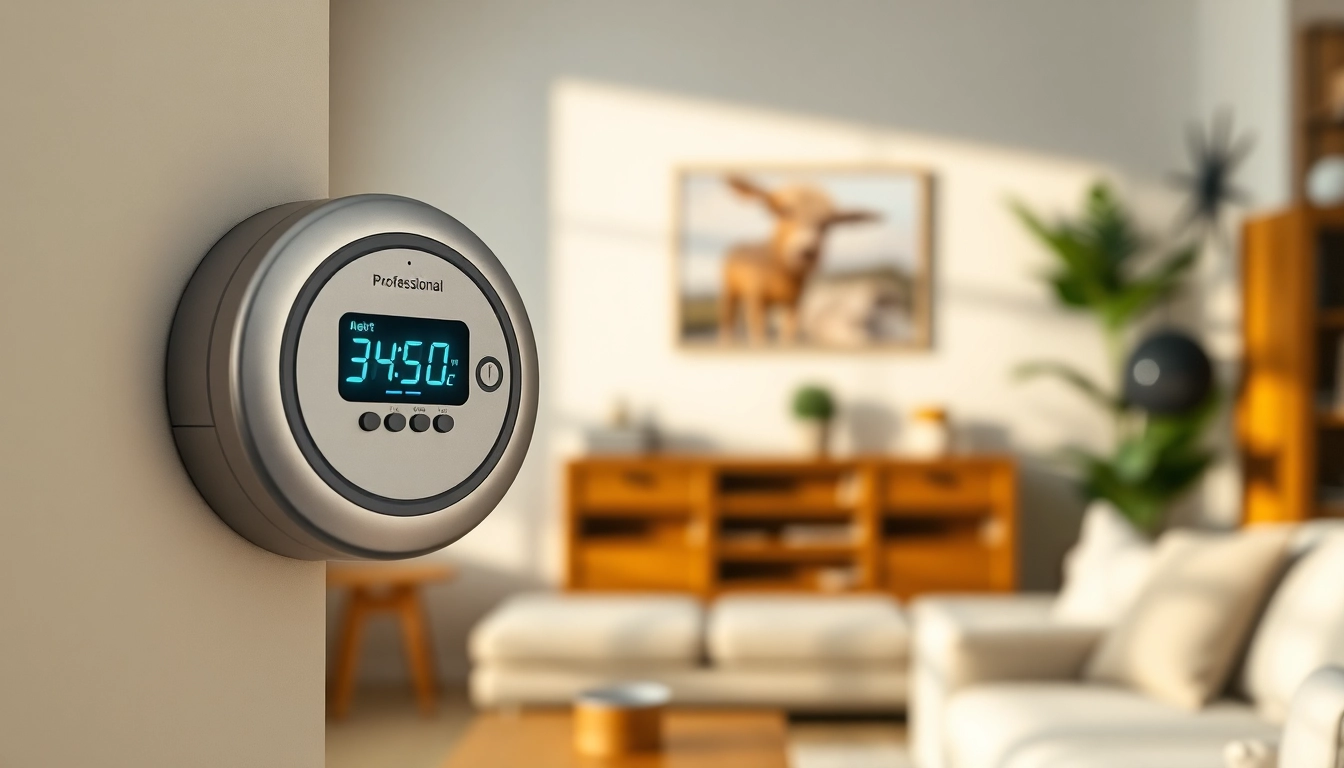
Smart technology allows users to manage home safety via smartphone applications. This feature enables remote monitoring, offering peace of mind for homeowners while away from the property.
Future Trends in Home Safety Technology
As science and technology continue to advance, innovative concepts such as voice-activated alerts and geo-fencing capabilities are emerging. These trends represent the future of smart home safety, presenting exciting opportunities for enhanced home protection and intuitive functionality.