
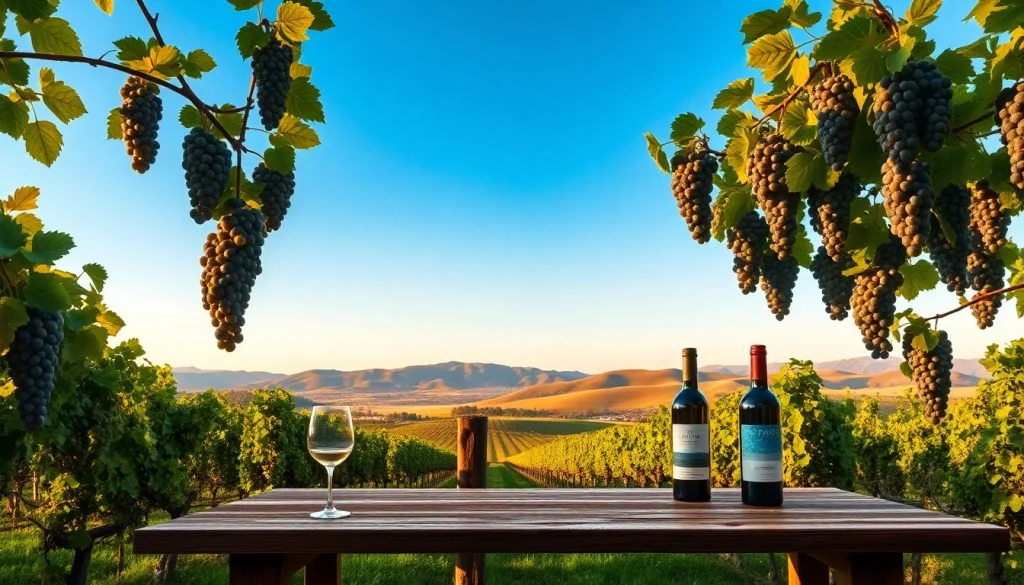
Overview of Sacramento Wineries
The Sacramento region, often overshadowed by the more widely recognized Napa and Sonoma Valleys, is an emerging powerhouse in California’s wine industry. With a unique combination of climate, soil, and innovative winemaking practices, Sacramento Wineries are redefining the local wine experience. As the region evolves, it is important to explore its rich history, the variety of wines produced, and the spectacular wineries that welcome visitors. This article will take you on a journey through Sacramento’s wine landscape, from its humble beginnings to its current status as a must-visit destination for wine enthusiasts.
History and Growth of the Region
The history of winemaking in Sacramento dates back to the mid-1800s when European settlers first introduced vineyards to the region. Initially, the valley’s wine production focused on sweet dessert wines and low-quality varietals. However, as agricultural practices advanced and the reputation for quality wine grew, Sacramento quickly transitioned into a hub for viticulture. Its proximity to the Sierra Nevada mountains, coupled with the Sacramento River’s moderating influence, created a unique microclimate ideal for growing various grape varietals.
Throughout the late 20th century, Sacramento experienced a renaissance in winemaking, with new vineyards and wineries popping up throughout the region, including the American River and Cosumnes River watersheds. In recent years, the recognition of Sacramento as a viable wine region has led to an influx of investment, innovation, and an emphasis on sustainability.
Types of Wine Produced in Sacramento
Sacramento wineries produce a diverse array of wines that reflect the region’s climatic conditions and varying soil types. Popular varietals include Zinfandel, Cabernet Sauvignon, Chardonnay, Grenache, and Syrah, each with its own unique flavor profile. The remarkable terroir of the Sacramento region allows winemakers to create expressions that tell the story of their land.
Furthermore, the region has seen a rise in interest in lesser-known varietals such as Tempranillo, Petit Verdot, and various blends. Many local wineries are also experimenting with biodynamic and organic farming techniques, resulting in wines that not only showcase the local terroir but also contribute to sustainable agricultural practices.
Significant Wineries to Visit
The Sacramento region boasts an impressive array of wineries, each offering its own unique charm and experience. Some significant wineries to consider include:
- Toast of the Town – Known for its ultra-premium Zinfandels and picturesque vineyard views, this winery provides a perfect backdrop for wine tasting.
- Brick & Mortar Winery – Famous for its artisanal winemaking techniques and limited-edition releases, Brick & Mortar focuses on Rhône varietals.
- Cafaro Cellars – Family-owned and operated, Cafaro Cellars specializes in limited production wines, providing a more personal tasting experience.
- Vina Castellano – Offering a diverse range of wines inspired by Spanish varietals, this winery is known for its warm hospitality and beautiful setting.
Planning Your Visit to Sacramento Wineries
When visiting Sacramento wineries, careful planning can elevate your experience to new heights. Whether you’re a seasoned wine enthusiast or are just beginning to explore the world of wine, understanding the best practices for visiting wineries is crucial.
Best Time to Explore Wine Country
While Sacramento can be visited year-round, the best time to explore its wineries is during spring (April to June) or fall (September to November). Spring brings a burst of blooming vines and mild temperatures, making outdoor tastings delightful. On the other hand, fall is the harvest season, providing visitors a chance to witness grape picking and experience lively harvest festivals.
Transportation and Accessibility
To fully enjoy your winery visits, consider your transportation options. Many visitors choose to rent a car, giving them the freedom to explore at their pace. Alternatively, consider joining a guided wine tour, which often includes transportation, tastings, and a knowledgeable guide who can share insights about each winery. Public transit is also available for those looking to minimize driving.
Wine Tours and Tastings
Wine tours and tastings can vary widely in experience. When planning your visit, research the options offered by individual wineries. Some provide structured tours that cover the winemaking process, while others may offer informal tastings in serene settings. Make sure to reserve in advance, especially during peak times, as popular wineries can fill up quickly.
Unique Experiences at Sacramento Wineries
Sacramento wineries are more than just places to sample wine; they offer unique experiences that enhance your visit and deepen your appreciation for the craft of winemaking.
Food Pairings and Culinary Offerings
Many wineries in the Sacramento area boast exceptional culinary offerings, often featuring locally sourced ingredients paired with their wines. Consider booking a tasting that includes a food pairing experience. From artisanal cheese platters to gourmet meals crafted by celebrated chefs, the culinary scene complements the wines perfectly, creating a memorable dining experience.
Special Events and Festivals
Throughout the year, Sacramento wineries host various events and festivals that celebrate wine culture. From seasonal harvest festivals to winemaker dinners, these events often showcase the best local wines and provide an opportunity to interact with the winemakers themselves. Participating in these gatherings can give visitors a behind-the-scenes look at the passion and dedication that goes into each bottle.
Winery Accommodations
For those looking to extend their winery experience, many wineries offer accommodations ranging from cozy bed-and-breakfasts to lavish boutique hotels. Staying on-site allows for full immersion in the vineyard experience, often with beautiful views and easy access to tastings. Research accommodations in advance and consider booking a stay that enhances your wine journey.
Understanding Wine Labels and Varietals
It’s essential for wine lovers to familiarize themselves with wine labels and varietals to make informed choices. Understanding what goes into each bottle can significantly enhance your wine-tasting experience.
Common Labels Found at Sacramento Wineries
When navigating wine labels, several key components can guide your choice. Typical elements include the winery name, varietal (grape type), vintage (year the grapes were harvested), and designation of origin. In Sacramento, you might spot labels that highlight local varietals or reflect unique blends exclusive to the region. Always pay close attention to these details, as they can offer insight into the flavor profile and expected quality of the wine.
How to Choose the Right Wine
Choosing the right wine can be daunting, especially given the vast selection available at Sacramento wineries. A good starting point is to consider your palate preferences—whether you enjoy light whites or bold reds. Another helpful tip is to engage with the winery staff, as they can provide recommendations based on your tastes and even offer tasters to help make a decision. Additionally, experimenting with local varietals can be an exciting way to discover new favorites.
Tips for Wine Collecting
For those interested in cultivating a wine collection, starting with wines produced in the Sacramento region is a wise choice. Consider these collection tips:
- Know Your Preferences – Identify the types of wines you enjoy most to guide your selections.
- Invest in Storage – Proper storage (cool, dark, and stable humidity) is essential for preserving the integrity of your wines.
- Attend Tastings – Regular tastings help you stay updated on new releases and understand your palate preferences better.
- Keep Records – Maintain a detailed inventory of your collection, including the winery, vintage, tasting notes, and purchase details.
Industry Trends and Future of Sacramento Wineries
The wine industry is continuously evolving, reflecting changes in consumer preferences, environmental challenges, and technological advancements. Sacramento wineries are at the forefront of several exciting trends that are shaping their future.
Impact of Sustainable Practices
As consumers become increasingly conscious of their environmental impact, many Sacramento wineries are adopting sustainable practices. This includes organic farming techniques, water conservation practices, and energy-efficient production methods. Wineries committed to sustainability are often seeing a positive reception from consumers who value environmentally responsible practices. These efforts not only benefit the planet but also enhance the quality and flavor of the wines produced.
Emerging Wineries and Innovators
New wineries are continually emerging in the Sacramento region, bringing fresh ideas and innovative techniques to the forefront. Some of these newcomers are focused on small-batch and artisan wines, experimenting with unconventional varietals and winemaking styles. These innovative approaches contribute to the overall diversity and richness of the Sacramento wine scene, attracting both new visitors and seasoned wine lovers alike.
Challenges Facing the Wine Industry
Despite its vibrant growth, the Sacramento wine industry faces several challenges like climate change, competition from established regions, and shifting consumer preferences. Adapting to these challenges requires resilience, creativity, and the ability to stay attuned to market demands. The wineries that embrace change by incorporating new technologies, improving sustainability practices, and engaging their customers through education and storytelling will likely thrive.