Understanding Structural Steel Installation
Structural steel installation is a critical aspect of modern construction, providing the necessary framework that supports buildings, bridges, and various infrastructures. This multifaceted process requires precise engineering, meticulous planning, and skilled execution to ensure that the structures built are safe, durable, and efficient. In this comprehensive guide, we will delve deep into every aspect of structural steel installation, from understanding its fundamentals to examining the latest trends shaping the industry.
What is Structural Steel Installation?
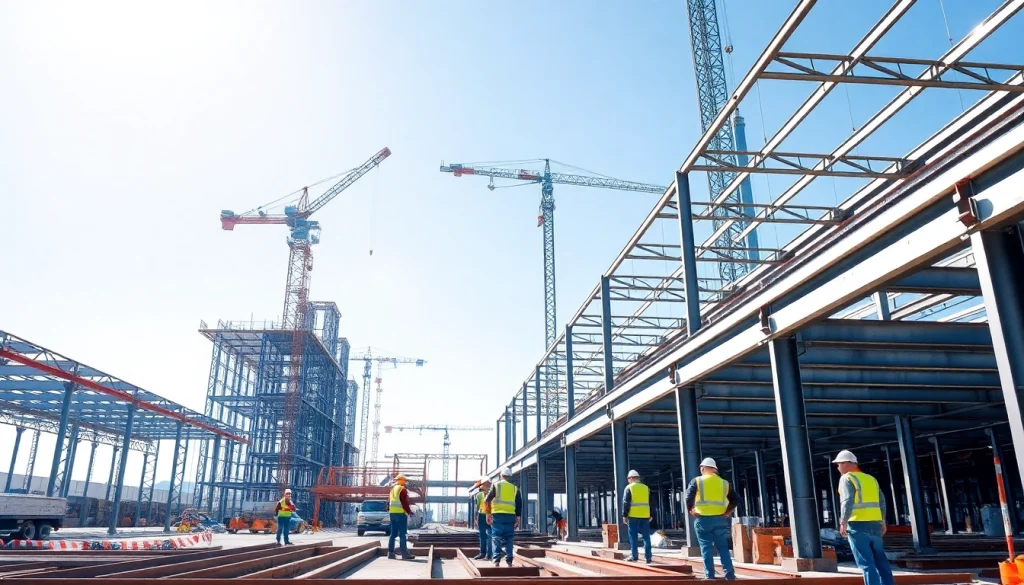
Structural steel installation refers to the process of assembling steel components to form a framework that supports a building or structure. This installation can be part of various construction types, including residential, commercial, and industrial projects. The primary materials used consist of steel beams, columns, trusses, and other custom fabricated elements designed to bear loads and withstand environmental stresses.
Key Components of Structural Steel
Understanding structural steel involves familiarity with its key components:
- Steel Beams: Horizontal members that support loads from above, transferring them to columns.
- Columns: Vertical supports that carry the weight of beams and the structure above.
- Trusses: Frameworks of triangles used to support roofs and bridges, providing stability and distribution of weight.
- Fabricated Steel Components: Custom-made pieces that include brackets, frames, and fittings tailored for specific applications.
Benefits of Using Structural Steel in Construction
The use of structural steel in construction offers numerous advantages:
- Durability: Steel withstands harsh weather conditions and has a long lifespan with proper maintenance.
- Strength-to-Weight Ratio: Steel is incredibly strong yet lightweight, allowing for efficient designs and reduced material costs.
- Design Flexibility: It allows for open floor plans and creative architectural designs without excessive internal load-bearing walls.
- Speed of Construction: Prefabricated steel components can be quickly assembled on-site, significantly reducing construction time.
- Recycled Material: Steel is 100% recyclable, making it an environmentally friendly option for modern construction.
Pre-Installation Planning
Assessing Site Conditions for Structural Steel Installation
Before installation begins, it is essential to conduct a thorough assessment of the site conditions. This includes evaluating soil composition, determining load-bearing capacity, and assessing surrounding structures and environmental factors. A proper site analysis can prevent future complications, such as settling or structural failure. Additionally, considerations for local zoning laws and regulations must be addressed to ensure that all construction activities comply with legal standards.
Creating an Effective Installation Plan
Creating an effective installation plan involves several key steps:
- Detailed Drawings: Engineering teams must develop detailed construction drawings that illustrate dimensions, materials, and assembly methods.
- Scheduling: Establishing a timeline for each phase of the installation ensures that resources are allocated efficiently and project milestones are met.
- Risk Assessment: Identifying potential risks associated with the structure and installation process helps in developing mitigation strategies.
- Coordination with Stakeholders: Close communication with contractors, engineers, and inspectors ensures alignment of project goals and expectations.
Gathering Necessary Equipment and Materials
The right equipment and materials are crucial for the smooth execution of structural steel installation. This includes:
- Crane Access: Heavy lifting equipment such as cranes must be on-site and in proper working order to move and position steel elements accurately.
- Safety Gear: Personal protective equipment (PPE) for workers should comply with safety standards to minimize risks during installation.
- Material Inventory: A comprehensive inventory list ensures that all necessary steel components and tools are readily available before starting the installation.
- Inspection Tools: Tools for ensuring alignment and structural integrity, such as levels and plumb lines, should be at hand.
Implementation of Structural Steel Installation
Step-by-Step Process of Installation
The installation of structural steel can be broken down into several essential steps:
- Site Preparation: Clear the site, establish foundation connections, and set up required access paths for equipment.
- Foundation Inspection: Ensure that the foundations are level, stable, and properly fitted to receive steel components.
- Steel Erection: Begin assembling the steel skeleton by hoisting beams and columns into place, ensuring precise alignment.
- Connection Methods: Secure components using welding, bolting, or riveting based on the design specifications.
- Quality Control: Monitor the installation process to ensure adherence to engineering standards and inspection protocols.
Common Challenges During Installation
Despite careful planning, challenges can arise during structural steel installation:
- Weather Conditions: Adverse weather can delay projects and pose safety hazards. Contingency plans should be in place.
- Material Delivery Delays: Unexpected delays in material supply can extend timelines. Efficient logistics planning can mitigate this risk.
- Safety Issues: Working at heights and operating heavy machinery involve risks. Comprehensive safety training and protocols should be enforced.
- Design Changes: Changes in design can affect installation methods and timelines, requiring quick adjustments and clear communication among teams.
Best Practices for Efficient Execution
Efficient execution of structural steel installation requires adherence to best practices, including:
- Regular Training: Ensure that all personnel are trained in the latest installation techniques and safety practices.
- Use Technology: Employing advanced tools such as Building Information Modeling (BIM) can enhance accuracy in planning and execution.
- Frequent Communication: Build a collaborative environment among teams to address issues quickly and adapt to changes seamlessly.
- Document Everything: Keep a detailed log of all installation progress, inspections, and challenges to facilitate future project improvements.
Post-Installation Considerations
Inspection and Quality Control
After installation, rigorous inspection and quality control processes are essential to achieving structural integrity:
- Initial Inspection: Conduct a thorough review immediately after installation to confirm proper alignment and secure connections.
- Periodic Inspections: Schedule ongoing inspections at regular intervals to monitor the condition of the steel and address any emerging issues.
- Documentation: Maintain records of all inspections and findings to ensure compliance with industry standards.
Structural Integrity and Compliance Standards
Compliance with local and national building codes is a non-negotiable aspect of structural steel installation. Adhering to standards set by organizations such as the American Institute of Steel Construction (AISC) ensures safety and reliability:
- Load-Bearing Requirements: Ensure that all components are designed to support specified loads, including live and dead loads.
- Seismic and Wind Codes: Compliance with regional codes addressing seismic zones and wind loads is essential in certain areas.
- Fire Resistance: Implement fireproofing measures according to applicable codes to enhance safety.
Maintenance Tips for Structural Steel
Regular maintenance is critical to prolonging the lifespan of structural steel installations. Recommended practices include:
- Routine Inspections: Schedule periodic inspections to identify signs of wear, rust, or structural damage.
- Protective Coatings: Applying rust-resistant paints and coatings can significantly reduce corrosion risks.
- Addressing Issues Promptly: Resolve any identified problems immediately to prevent further damage and maintain structural integrity.
Case Studies and Success Stories
Examining Successful Projects
Analyzing successful projects offers insights into effective practices in structural steel installation. For instance, the completion of a major urban skyscraper may involve the integration of advanced steel fabrication technology, minimizing waste and optimizing resources. Such projects highlight innovative design approaches and collaboration among stakeholders, serving as benchmarks for future installations.
Lessons Learned from Common Mistakes
Learning from past mistakes is essential for continuous improvement in the industry:
- Communication Breakdown: Miscommunication among teams can lead to costly errors. Creating clear channels and regular meetings can mitigate this risk.
- Underestimating Site Conditions: Inadequate site assessments can lead to Foundation issues. Always conduct comprehensive evaluations before commencing work.
- Neglecting Safety Protocols: Ignoring safety measures can have severe consequences. Regular safety training and audits are vital for protecting workers.
Future Trends in Structural Steel Installation
Looking ahead, several trends are shaping the future of structural steel installation:
- Automation and Robotics: The increased use of automation in steel fabrication and installation enhances precision and reduces labor costs.
- Sustainability Practices: Growing emphasis on sustainable construction methods is propelling the use of recycled materials and energy-efficient processes.
- Smart Construction Technologies: The integration of IoT devices and predictive analytics can optimize construction timelines and improve safety monitoring.