
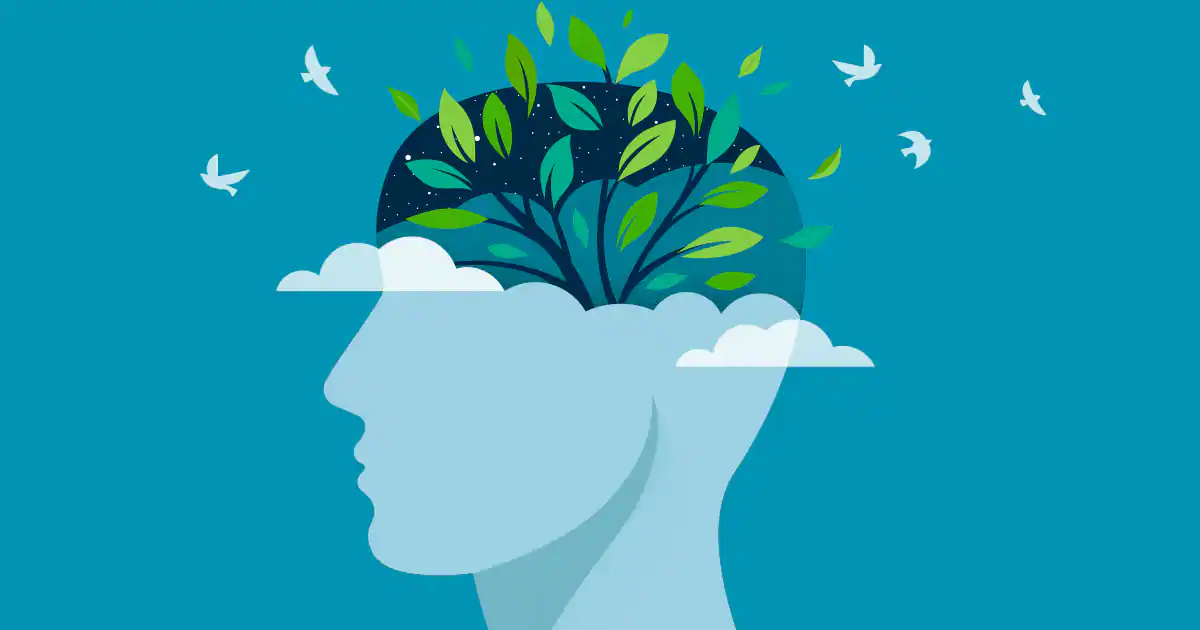
In today’s fast-paced world, maintaining Mental wellness is more crucial than ever. Emotional stability allows individuals to manage stress, make thoughtful decisions, and maintain healthy relationships. Developing consistent mental wellness habits can strengthen resilience and provide a sense of calm even in challenging circumstances. At Calm Minds Hub, we aim to simplify evidence-based strategies for emotional health, making it easy for anyone to incorporate them into daily life.
- Understanding Mental Wellness and Emotional Stability
- Daily Habits to Promote Mental Wellness
- Social Habits That Enhance Emotional Stability
- Cognitive Habits to Strengthen Mental Wellness
- Lifestyle Habits for Long-Term Emotional Stability
- Real-Life Application of Mental Wellness Habits
- Conclusion
- FAQs
Understanding Mental Wellness and Emotional Stability
Mental wellness refers to a state of well-being in which individuals can cope with daily stressors, recognize their emotions, and maintain positive relationships. Emotional stability is closely tied to mental wellness; it is the ability to maintain balanced emotions despite life’s ups and downs. People with strong emotional stability are less likely to experience extreme mood swings, anxiety, or depression.
Why Mental Wellness Matters
- Improved Decision Making: Emotional balance helps in making rational choices.
- Stronger Relationships: Stable emotions promote better communication and understanding.
- Enhanced Resilience: Mental wellness equips individuals to handle stress and setbacks.
- Physical Health Benefits: Chronic stress can impact the body, and mental wellness can reduce these risks.
Daily Habits to Promote Mental Wellness
Building mental wellness is not about sudden changes; it is about integrating small, consistent habits into daily life.
1. Mindful Meditation
Mindfulness meditation involves focusing on the present moment without judgment. Practicing this daily can improve emotional regulation and reduce stress.
How to Practice Mindfulness Meditation:
- Find a quiet space and sit comfortably.
- Focus on your breath and observe your thoughts without engaging them.
- Start with 5 minutes daily and gradually increase to 15–20 minutes.
Example: Sarah, a high school student, used mindfulness meditation before exams. She noticed reduced anxiety and improved concentration.
2. Regular Physical Activity
Exercise is not only beneficial for the body but also for mental wellness. Physical activity releases endorphins, chemicals that naturally boost mood.
Tips to Stay Active:
- Engage in at least 30 minutes of moderate exercise daily.
- Activities can include walking, jogging, yoga, or team sports.
- Incorporate movement into daily routines, like taking stairs or cycling to work.
Case Study: John, who struggled with stress at work, added evening walks to his routine. Within weeks, he reported improved mood and better sleep.
3. Balanced Nutrition
What we eat significantly affects our mental wellness. Diets rich in fruits, vegetables, lean proteins, and whole grains support brain health and emotional stability.
Nutrition Tips:
- Include omega-3 fatty acids, found in fish and walnuts, to support brain function.
- Avoid excessive caffeine and sugar, which can trigger mood swings.
- Stay hydrated; even mild dehydration can affect concentration and mood.
4. Quality Sleep
Sleep directly impacts emotional regulation. Lack of sleep can increase irritability, anxiety, and depressive symptoms.
Strategies for Better Sleep:
- Maintain a consistent sleep schedule, even on weekends.
- Create a calming bedtime routine, like reading or light stretching.
- Limit screen time before bed to reduce exposure to blue light.
5. Journaling Emotions
Writing down thoughts and feelings helps process emotions and identify patterns that may cause stress or anxiety.
How to Start Journaling:
- Dedicate 10–15 minutes daily to write freely.
- Note situations that triggered strong emotions and how you reacted.
- Reflect on positive experiences and accomplishments.
Analogy: Journaling is like decluttering a room; it creates space for clarity and calm.
Social Habits That Enhance Emotional Stability
Mental wellness is not only about internal habits; external social practices also play a key role.
6. Building Strong Support Networks
Having supportive friends, family, or mentors helps buffer stress and promotes emotional well-being.
Tips for Strengthening Relationships:
- Communicate openly and honestly about your feelings.
- Listen actively and validate others’ emotions.
- Participate in community or social activities that foster connections.
Example: Maria joined a local art club and found meaningful friendships that helped her navigate stressful times.
7. Setting Boundaries
Setting healthy boundaries protects mental wellness by preventing burnout and emotional overload.
Practical Steps:
- Learn to say no without guilt.
- Prioritize your mental and emotional needs.
- Limit exposure to toxic environments or people.
8. Practicing Gratitude
Gratitude shifts focus from negative to positive aspects of life, promoting emotional stability.
How to Practice Gratitude:
- Keep a daily gratitude journal listing three things you are thankful for.
- Express appreciation to friends, family, or colleagues.
- Reflect on positive experiences before bedtime to foster a sense of contentment.

Cognitive Habits to Strengthen Mental Wellness
The mind can be trained to handle stress and emotions effectively. Developing cognitive habits is essential for emotional stability.
9. Positive Self-Talk
Negative thoughts can worsen anxiety and stress. Practicing positive self-talk enhances self-confidence and emotional resilience.
Examples of Positive Self-Talk:
- Replace “I can’t handle this” with “I will do my best and learn from this.”
- Affirm strengths daily, such as “I am capable of overcoming challenges.”
10. Problem-Solving Skills
Developing problem-solving abilities helps manage stressful situations without becoming overwhelmed.
Steps for Effective Problem Solving:
- Identify the problem clearly.
- Brainstorm possible solutions without judgment.
- Evaluate options and implement the best one.
- Reflect on outcomes and adjust strategies if needed.
Case Study: Ahmed struggled with time management at work. By systematically planning tasks and setting realistic goals, he reduced stress and improved productivity.
11. Limiting Digital Overload
Excessive screen time, particularly on social media, can negatively affect mental wellness.
Tips to Manage Digital Usage:
- Set specific time limits for social media or entertainment apps.
- Take regular breaks from screens throughout the day.
- Engage in offline activities like reading, exercising, or outdoor hobbies.
Lifestyle Habits for Long-Term Emotional Stability
Sustainable mental wellness comes from consistent lifestyle choices that support emotional balance.
12. Engaging in Hobbies
Hobbies provide a creative outlet, reduce stress, and promote joy.
Ideas for Hobbies:
- Painting, writing, or playing a musical instrument.
- Gardening, cooking, or DIY projects.
- Volunteering or learning new skills.
13. Practicing Relaxation Techniques
Relaxation methods calm the nervous system and prevent chronic stress.
Effective Techniques:
- Deep breathing exercises.
- Progressive muscle relaxation.
- Visualization or guided imagery.
14. Seeking Professional Support
Mental wellness is not only self-managed. Therapists, counselors, or support groups can provide guidance and strategies to maintain emotional stability.
Tips for Seeking Help:
- Consider therapy for persistent anxiety, stress, or mood issues.
- Join support groups to share experiences and learn coping strategies.
- Utilize online mental wellness resources from reputable platforms like Calm Minds Hub.
Real-Life Application of Mental Wellness Habits
Implementing mental wellness habits consistently leads to meaningful changes over time. For instance, a high school student juggling academics, sports, and social life may feel stressed and emotionally overwhelmed. By integrating habits such as mindfulness meditation, journaling, gratitude practice, and exercise, they can develop resilience, improve focus, and maintain emotional balance even during challenging periods.
Conclusion
Mental wellness habits are essential for fostering emotional stability and overall well-being. By practicing mindfulness, exercising regularly, maintaining a balanced diet, prioritizing sleep, nurturing social connections, and engaging in positive cognitive habits, individuals can build resilience and lead fulfilling lives. Emotional stability is not a destination but a lifelong practice. Small, consistent actions every day contribute to lasting mental wellness and peace of mind. Calm Minds Hub encourages everyone to adopt these evidence-based habits with kindness, patience, and self-compassion. Find expert recommendations and top picks right on our main page.
FAQs
What is the importance of mental wellness in daily life?
Mental wellness is essential for coping with stress, making informed decisions, and maintaining emotional balance. It supports overall health, strengthens relationships, and enhances resilience during challenging situations.
How can I develop emotional stability through daily habits?
Emotional stability can be developed by practicing mindfulness, journaling emotions, exercising regularly, maintaining a balanced diet, ensuring quality sleep, and nurturing supportive relationships. Consistency in these habits builds long-term resilience.
When should I seek professional help for mental wellness?
Professional help should be sought if stress, anxiety, or mood issues persist for weeks, interfere with daily life, or become overwhelming. Therapists, counselors, and support groups provide guidance and strategies to improve mental health effectively.