
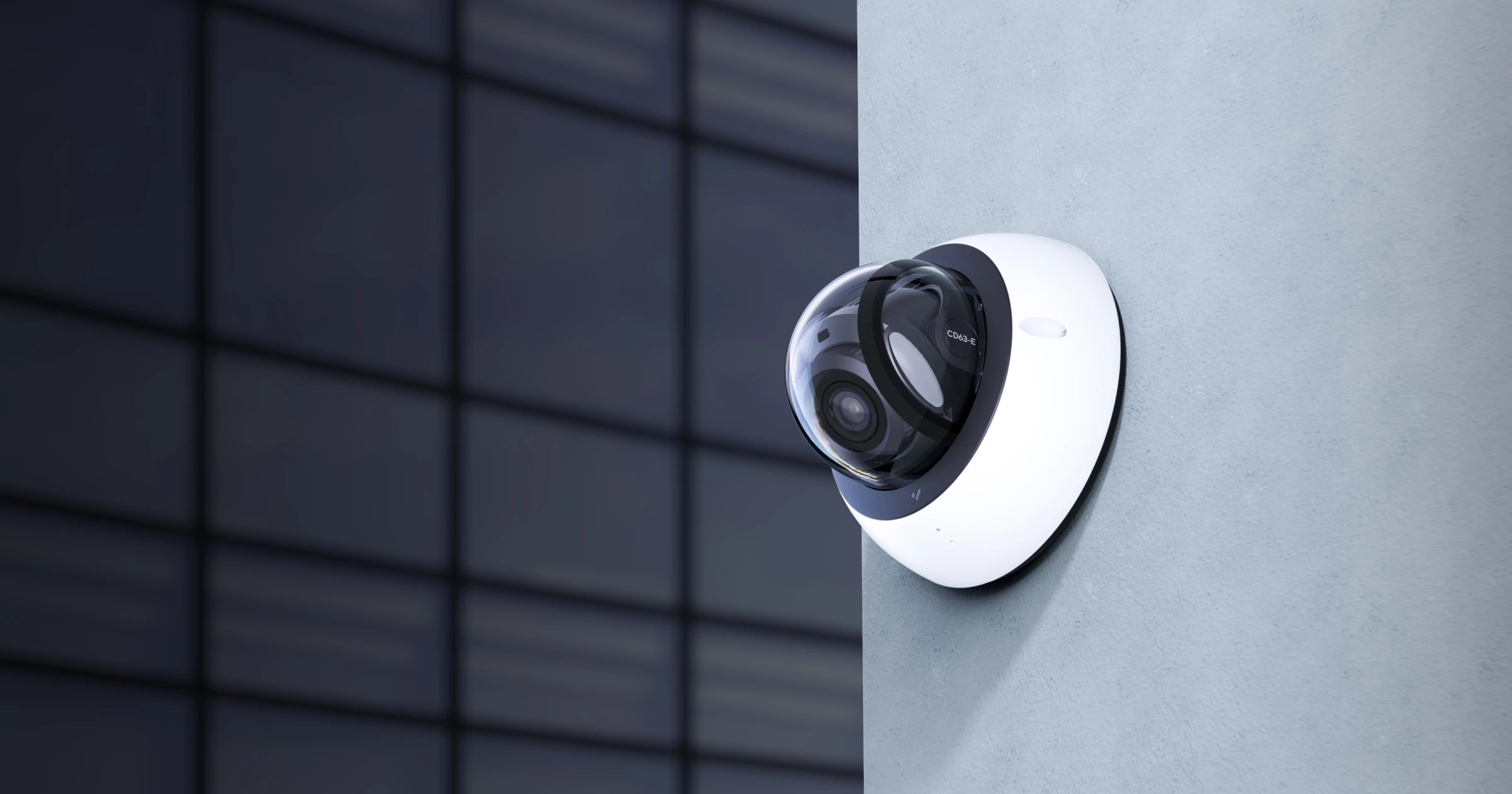
In an era where technology seamlessly integrates into our daily lives, securing your home has never been more intelligent or essential. Home security systems have evolved far beyond basic alarms, and Best Home Security Cameras now offer an impressive range of smart features that enhance safety, convenience, and peace of mind. Whether you live in a bustling city apartment, a suburban home, or a sprawling estate, choosing the right camera system is crucial for protecting your property, loved ones, and valuable possessions.
With countless options on the market, selecting the best home security cameras for your smart home can feel overwhelming. From cloud storage and AI-driven detection to two-way audio and night vision, understanding the technical specifications and practical applications of each system is vital. This comprehensive guide explores the top cameras, features, and integration options, offering research-backed advice to help homeowners make informed decisions.
- Understanding Smart Home Security Cameras
- Types of Home Security Cameras
- Evaluating Camera Quality
- Smart Integration and Automation
- Installation and Placement Strategies
- Security and Privacy Considerations
- Expert Recommendations for the Best Home Security Cameras
- Conclusion
- Frequently Asked Questions (FAQs)
Understanding Smart Home Security Cameras
Smart home security cameras combine traditional surveillance technology with modern digital features, allowing users to monitor their properties remotely via smartphones, tablets, or computers. Unlike conventional cameras, these devices offer real-time notifications, motion detection, facial recognition, and seamless integration with other smart home devices, such as smart locks, lighting systems, and voice assistants.
The Advantages of Smart Home Cameras
Investing in the best home security cameras brings a multitude of advantages. First, they provide round-the-clock surveillance with high-definition video capture, ensuring that every corner of your property is monitored. The convenience of remote access allows homeowners to check live feeds or recorded footage from anywhere in the world. Advanced AI-powered analytics distinguish between ordinary movement, like pets or passing vehicles, and potential threats, reducing false alerts. Moreover, smart home cameras integrate with voice assistants like Alexa and Google Assistant, creating a fully automated and cohesive home security ecosystem.
Key Features to Look For
When evaluating the best home security cameras, certain features consistently determine performance and usability. High-resolution video, such as 1080p or 4K, ensures clear images that are critical for identifying intruders. Night vision capabilities allow surveillance even in complete darkness, and wide-angle lenses expand coverage, minimizing blind spots. Motion detection technology paired with instant alerts ensures immediate awareness of suspicious activity. Additional features like two-way audio, cloud storage, local storage options, and weatherproof designs contribute to both functionality and durability.
Types of Home Security Cameras
Understanding the different types of cameras is essential in choosing the best home security cameras for your home environment. Each type serves a distinct purpose, catering to indoor, outdoor, and specialized surveillance needs.
Indoor Cameras
Indoor cameras are designed to monitor activities inside your home. They are typically smaller, discreet, and easy to install, often placed in living rooms, hallways, or entryways. Many indoor cameras feature motion sensors, night vision, two-way audio, and AI-driven recognition. Their integration with smart home systems allows users to receive alerts if unusual activity occurs, even while they are away.
Outdoor Cameras
Outdoor cameras are built to withstand weather conditions, including rain, wind, and extreme temperatures. Durability and resistance to tampering are key considerations. These cameras often feature wide-angle lenses, night vision, and enhanced motion detection capabilities, ensuring comprehensive coverage of driveways, yards, and property perimeters. Some advanced models include spotlight systems or sirens, providing additional deterrence against potential intruders.
Doorbell Cameras
Doorbell cameras have emerged as a popular choice for homeowners seeking convenient monitoring of entry points. These devices provide live video feeds, motion alerts, and two-way audio, allowing homeowners to communicate with visitors or delivery personnel directly from their smartphones. Beyond security, doorbell cameras enhance home automation by integrating with smart locks and lighting systems.
Specialized Cameras
Certain best home security cameras cater to unique monitoring needs, such as baby monitors, pet cameras, or high-security surveillance systems for sensitive areas like garages or workshops. These cameras often combine advanced AI features, customizable alerts, and specialized lenses, offering targeted surveillance solutions tailored to specific household requirements.
Evaluating Camera Quality
Camera quality is fundamental in selecting the best home security cameras. Several factors influence the clarity, effectiveness, and overall performance of surveillance systems.
Resolution and Image Clarity
Resolution is one of the most critical metrics. Higher resolution cameras capture sharper, more detailed images, which can be invaluable when identifying faces, license plates, or other crucial details. While 1080p is considered standard for home security, 2K and 4K options are becoming increasingly popular for premium systems, offering unmatched clarity and professional-grade video quality.
Field of View
The field of view (FOV) determines the area a camera can monitor. Cameras with a wide-angle FOV minimize blind spots and reduce the need for multiple units. Typical FOV ranges from 90 to 180 degrees, with advanced models offering panoramic or motorized rotation features for comprehensive coverage.
Night Vision
Effective night vision is a hallmark of the best home security cameras. Infrared technology, low-light sensors, and color night vision capabilities allow cameras to capture clear footage in total darkness. This feature is particularly crucial for outdoor cameras, ensuring reliable surveillance regardless of lighting conditions.
Motion Detection and Alerts
Motion detection technology enables cameras to identify movement and trigger instant notifications to your smartphone or connected devices. Advanced systems employ AI to differentiate between human activity, pets, and environmental factors such as rain or leaves, reducing unnecessary alerts and enhancing response efficiency.
Smart Integration and Automation
Modern homeowners increasingly prioritize smart home integration when selecting the best home security cameras. Cameras that seamlessly connect with existing smart devices provide a holistic approach to home automation.
Voice Assistant Compatibility
Integration with voice assistants like Amazon Alexa, Google Assistant, and Apple Siri enables hands-free control and real-time interaction. Users can view live feeds on smart displays, receive notifications, and even activate camera features using voice commands, making home security both intuitive and convenient.
Automation Routines
Smart home cameras can trigger automated routines based on detected activity. For example, motion detected at night can activate outdoor lighting, send alerts, and initiate video recording. These routines not only enhance security but also conserve energy by automating responses based on environmental triggers.
Cloud Storage and Remote Access
Cloud storage is a critical consideration for long-term video retention. Many cameras offer secure cloud storage subscriptions, allowing homeowners to access historical footage anytime. Remote access ensures peace of mind, giving users the ability to monitor live feeds and receive alerts from anywhere in the world through mobile apps.
Installation and Placement Strategies
Proper installation and strategic placement are vital to maximizing the effectiveness of best home security cameras. While some cameras are designed for DIY installation, others may require professional setup to ensure optimal performance.
Indoor Placement
Indoor cameras should be positioned to monitor high-traffic areas, entryways, and valuables. Ceiling-mounted cameras offer a discreet vantage point, while shelf-mounted or wall-mounted cameras provide flexibility and easy access. Ensuring the camera is out of reach of children and pets prevents tampering.
Outdoor Placement
Outdoor cameras should cover all possible points of entry, including driveways, gates, and backyard areas. Positioning cameras at elevated heights minimizes the risk of vandalism while maximizing the coverage area. Consider environmental factors such as sunlight glare, rain, and foliage when selecting placement.
Network Considerations
Smart cameras rely heavily on stable internet connections. Positioning cameras within strong Wi-Fi range or using wired connections where possible ensures uninterrupted monitoring and reliable notifications. Mesh network systems or Wi-Fi extenders can enhance connectivity in larger homes.
Security and Privacy Considerations
While smart cameras enhance home safety, they also raise concerns regarding privacy and data security. Choosing cameras with end-to-end encryption, secure cloud storage, and regular firmware updates is essential. Strong passwords, multi-factor authentication, and secure network protocols protect against unauthorized access, safeguarding sensitive footage and personal data.
Data Encryption and Privacy Features
High-quality cameras employ encryption protocols to protect video data during transmission and storage. Privacy zones allow homeowners to mask specific areas, ensuring private spaces such as bedrooms or bathrooms are excluded from monitoring. These measures build trust while maintaining robust security coverage.
Regular Updates and Maintenance
Firmware and software updates enhance performance, patch vulnerabilities, and introduce new features. Regular maintenance, including lens cleaning and connectivity checks, ensures consistent camera functionality and longevity.
Expert Recommendations for the Best Home Security Cameras
Choosing the best home security cameras requires balancing technical features, budget, and home environment. Experts recommend prioritizing high-resolution video, reliable night vision, AI-powered detection, and seamless smart home integration. Indoor cameras should focus on versatility and discreet design, while outdoor cameras must emphasize durability, weather resistance, and comprehensive coverage.
Investing in reputable brands and models with positive user reviews and professional evaluations increases the likelihood of long-term satisfaction. Consider the compatibility of cameras with existing smart home devices, storage solutions, and network infrastructure to create a cohesive and efficient security ecosystem.
Conclusion
Selecting the best home security cameras for a smart home involves careful evaluation of features, performance, and integration capabilities. From high-definition video and night vision to AI-powered motion detection and smart automation, modern cameras offer sophisticated solutions to enhance home safety and convenience. Prioritizing quality, durability, and seamless connectivity ensures a reliable surveillance system that protects both your property and peace of mind. With the right investment, homeowners can create a secure, intelligent environment that aligns with contemporary lifestyle demands. Find everything you need to know on our main site.
Frequently Asked Questions (FAQs)
What is the most important feature in the best home security cameras?
The most important feature is high-resolution video combined with reliable motion detection. Clear footage and instant alerts ensure accurate monitoring and timely responses to potential threats.
Can smart home security cameras work without Wi-Fi?
Most smart home cameras require Wi-Fi for live streaming, notifications, and cloud storage. However, some models offer local storage options that allow basic recording without continuous internet access.
How do I prevent false alerts from my home security camera?
Choosing cameras with AI-powered detection, adjusting motion sensitivity, and setting activity zones can significantly reduce false alerts caused by pets, vehicles, or environmental changes.
Are outdoor security cameras weatherproof?
Yes, the best home security cameras designed for outdoor use are built to withstand rain, wind, and extreme temperatures. Look for IP65 or higher ratings for optimal durability.
How often should I update my smart security camera system?
Regular firmware and software updates, typically released by manufacturers, should be applied immediately. Periodic maintenance, such as lens cleaning and network checks, ensures long-term functionality and security.