Introduction to Fly Fishing for Beginners
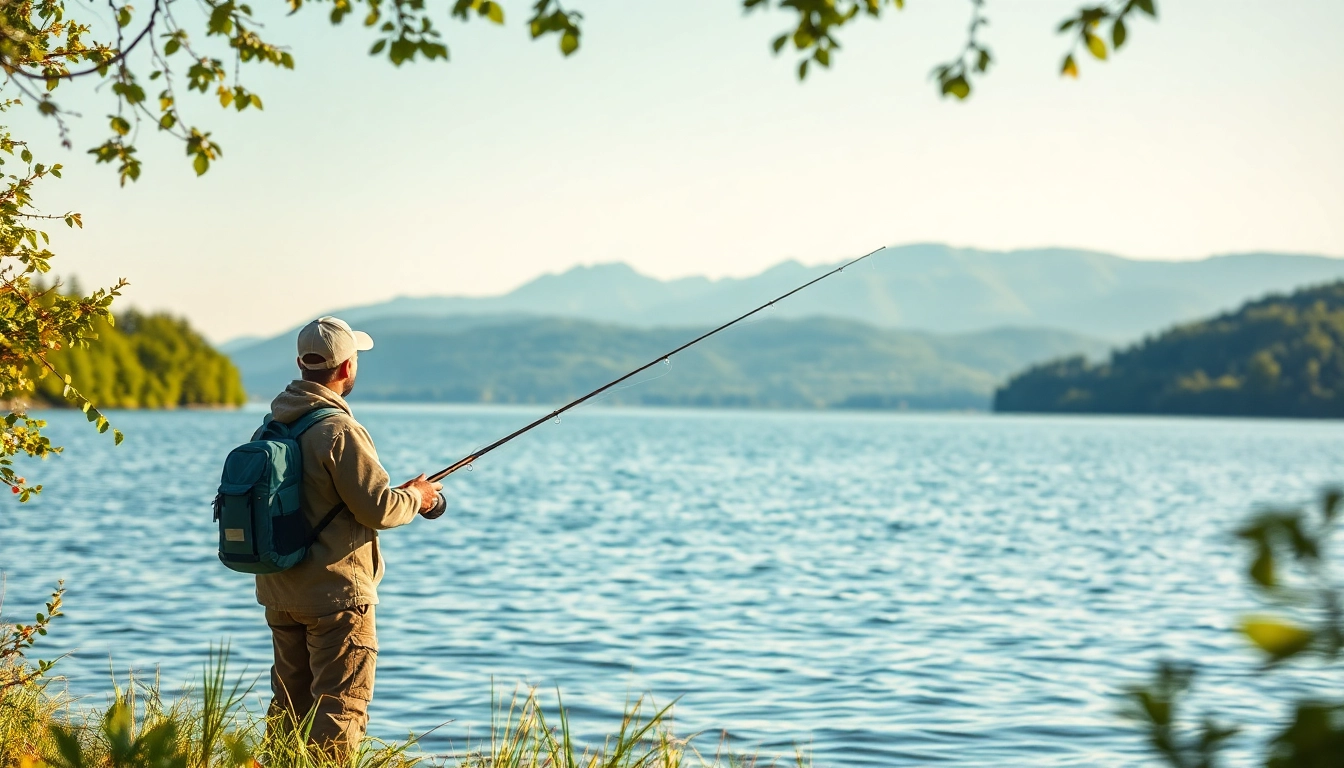
Fly fishing is a captivating sport that combines the thrill of fishing with the beauty of nature. Whether you’re standing in a peaceful stream or casting into the vast ocean, it offers an escape that is both rewarding and serene. If you’re just starting your journey into this unique activity, understanding its core aspects is vital. Our comprehensive guide will take you through the essentials of fly fishing for beginners, from selecting gear to casting techniques and etiquette on the water.
What is Fly Fishing?
Fly fishing is a method of angling that uses a light-weight lure called a fly, designed to mimic various insects or baitfish. Unlike traditional fishing where the weight of the bait is used to cast, fly fishing relies on the line’s weight to deliver the fly to the target area. This technique can be practiced in freshwater and saltwater environments and is particularly popular for species like trout, bass, and salmon. Understanding the nuances of fly fishing can enhance your experience and improve your skill set.
Essential Gear for Beginners
To embark on your fly fishing adventure, having the right gear is crucial. Here are the essential components you’ll need:
- Fly Rod: Choose a rod suitable for beginners, typically 8 to 9 feet long, which will help you with a variety of fishing conditions.
- Fly Reel: A simple reel that balances your rod is important. Look for a smooth drag system and good line capacity.
- Fly Line: Weight-forward floating line is great for beginners as it aids in casting.
- Leaders and Tippets: These thin lines connect your fly to your main line, with tippets helping you match line weight to your fly and target species.
- Flies: Start with a basic selection of dry flies, nymphs, and streamers.
- Sunscreen and Insect Repellent: As you’ll be outdoors, protecting your skin is paramount.
Safety Tips and Etiquette
When you’re out on the water, safety and etiquette should be your top priority. Always wear a life jacket if you’re on a boat, and be aware of the weather conditions. Respect your surroundings and the local wildlife by practicing “Leave No Trace” principles. Moreover, be courteous to fellow anglers; maintain a proper distance and keep noise levels low to preserve the tranquility of the experience.
Understanding the Basics of Casting
One of the fundamental skills for any fly fisherman is casting. Mastering different casting techniques will significantly improve your ability to present your fly naturally where the fish are feeding.
Types of Casting Techniques
There are several casting techniques to consider as a beginner:
- Overhead Cast: This is the most common cast, where the rod is raised and then pushed forward to deliver the fly.
- Roll Cast: Used in situations with limited backcast space, this cast generates forward momentum using the water’s surface.
- Snap Cast: A more advanced technique that imparts speed to the line, allowing for longer distance casts.
How to Make Your First Cast
Starting with the overhead cast, hold the rod with both hands—one on the grip and the other supporting it further down. Raise the rod smoothly to about a 10 o’clock position, then flick your wrist gently and follow through toward your target, creating a smooth motion. Practice in an open area before hitting the water to gauge your technique.
Troubleshooting Common Casting Mistakes
As a beginner, you may encounter a few common mistakes:
- Overpowering the Cast: Many beginners cast too hard. Instead, focus on a smooth and controlled motion.
- Improper Timing: Ensure your rod movements begin with a pause before you initiate the forward cast.
- Wrong Line Retrieval: Keep the line organized to prevent tangling; practice with the line management before casting.
Selecting the Right Location for Fly Fishing
Choosing the right fishing location can greatly influence your catching success. Different environments offer diverse challenges and rewards.
Freshwater vs. Saltwater Environments
Freshwater fishing typically occurs in lakes, rivers, and streams where species like trout and bass thrive. Conversely, saltwater fly fishing, which targets species like bonefish and tarpon, requires additional skills due to the ocean’s dynamic conditions.
Identifying Ideal Fishing Spots
Look for places where water meets plants, rocks, or eddies, as these are often feeding zones for fish. Visiting local forums or joining a fishing group can yield excellent tips on where to go.
Best Times to Go Fly Fishing for Beginners
Timing can be critical to your success. Early morning and late afternoon are generally regarded as the best times to fish, as fish are more active during these cooler parts of the day. Weather conditions also play a significant role; overcast days might provide better fishing opportunities as fish feel safer to feed.
Learning About Flies and Bait
Understanding flies and how to utilize them effectively is essential for successful fly fishing. Different conditions call for various flies to mimic natural bait.
Different Types of Flies Explained
Flies are categorized into three basic types:
- Dry Flies: These float on the water’s surface, imitating adult insects.
- Nymphs: These sink below the water’s surface and mimic immature insects, vital in freshwater streams.
- Streamers: These represent larger prey such as baitfish and can be retrieved at different depths to entice predatory fish.
How to Choose the Right Fly for Conditions
Selecting the right fly depends on several factors, including the type of fish, water conditions, and local insect hatches. Observing the natural environment helps in determining which flies to use. Consider the seasonality for bug activity and fish feeding patterns to increase your chances of success.
Preparing and Storing Your Flies
Take care of your flies to ensure they maintain their effectiveness. Use a fly box to keep them organized and dry. Inspect flies for damage after each trip, and clean them to avoid contamination with other species’ scents.
Developing Skills and Techniques
Continuous skill development is key to becoming a proficient fly fisher. Look for ways to enhance your techniques and knowledge.
Practicing Your Cast at Home
Your backyard can serve as an ideal space for practicing your casting techniques. Use a piece of yarn as a makeshift fly that won’t harm anything. Focus on accuracy and consistency, as these aspects are crucial when you transition to the water.
Engaging in Local Workshops and Classes
Consider enrolling in workshops or classes offered by local fishing clubs or outfitters. These sessions can provide valuable insights from experienced anglers and improve your skills through hands-on practice.
Ethical Practices in Fly Fishing
As a responsible angler, practicing ethical fishing helps sustain fish populations and ecosystems. Follow local regulations, practice catch-and-release where applicable, and avoid harmful practices that could damage the environment or wildlife.
Frequently Asked Questions
What’s the best time of year to start fly fishing?
The spring and fall months are typically the best for beginner fly fishing, as fish are more active during these seasons due to insect hatches.
How much does getting started in fly fishing cost?
Initial costs can range from $200 to $500 based on the gear you choose. Investing in quality gear is important for a good experience.
Can beginners catch fish on their first try?
Yes, it is possible! While it may take time to master techniques, patience and practice often lead to success on your first outing.
Do I need a fishing license to fly fish?
Yes, most regions require a fishing license. Check local regulations before you head out to avoid fines.
What are the best fish for beginners to catch?
Trout and panfish are great options for beginners due to their abundance and willingness to bite on a variety of flies.