Natural Logwood Dye – Ideal for Organic Dyeing
Introduction
For makers who value sustainability, rich color, and traditional craft practices, Logwood dye stands out as one of the most powerful and versatile natural colorants available. Sourced from botanical origins and cherished for centuries, Logwood dye offers a wide spectrum of purples, blues, and blacks ideal for organic dyeing projects. Its eco-friendly nature, strong pigmentation, and compatibility with natural fibers make Logwood dye a perfect choice for dyers who want vibrant results without compromising environmental values. Whether you’re a hobbyist or a seasoned textile artist, Logwood dye brings depth, authenticity, and natural beauty to your organic dyeing process.
Why Logwood Dye Fits Organic Dyeing Perfectly
When working within organic dyeing principles, the goal is to use dyes that are both environmentally responsible and artistically expressive. Logwood dye excels in both areas, offering exceptional color intensity while maintaining a plant-based, biodegradable profile.
Eco-Friendly Benefits
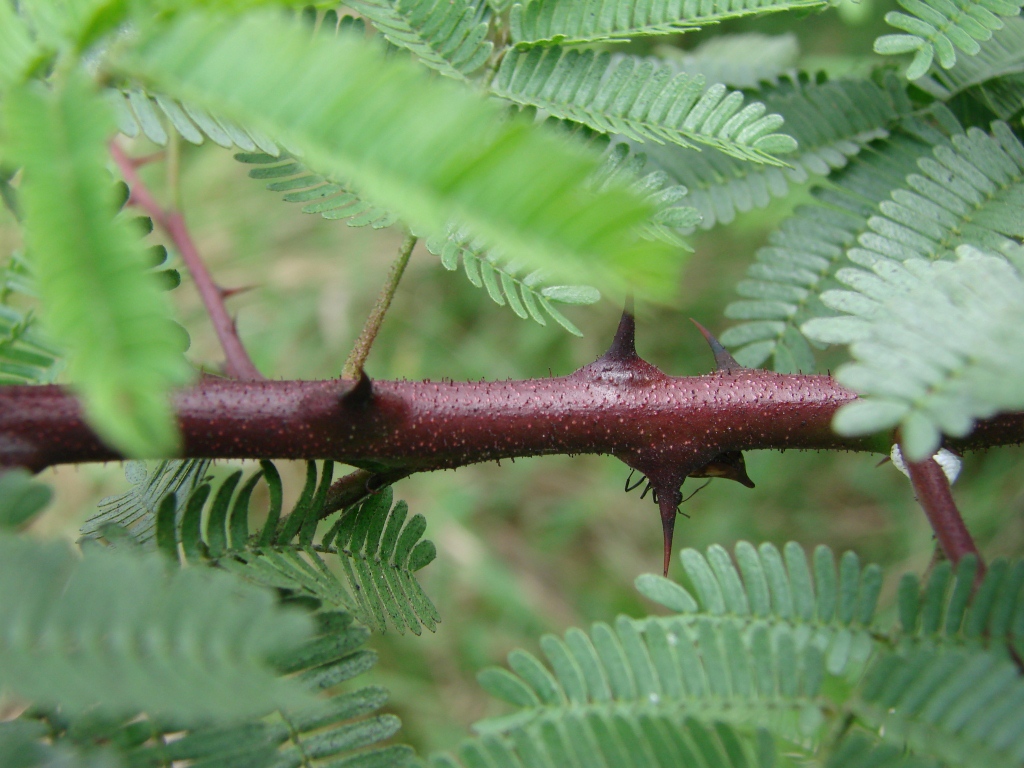
One of the key reasons dyers choose Logwood dye is its natural origin. Harvested from the heartwood of the Haematoxylum campechianum tree, Logwood dye delivers rich hues without synthetic chemicals or harmful additives. Its ability to produce long-lasting color while remaining gentle on the environment sets Logwood dye apart as an ideal dye for sustainable textile practices.
The Natural Power of Logwood Dye
The strength of Logwood dye comes from hematein, its primary pigment. This compound interacts beautifully with natural fibers, producing vivid tones that hold up well over time. For organic dyeing, the reliability and depth of Logwood dye make it a go-to choice for dyers seeking bold, botanical color.
Fibers That Respond Best
- Wool: Absorbs Logwood dye quickly, creating deep purples and intense blacks
- Silk: Produces luminous, jewel-toned results using Logwood dye
- Cotton: Achieves softer shades yet maintains clarity and vibrancy
- Linen: Picks up earthy, matte tones from Logwood dye
These natural fibers bond exceptionally well with Logwood dye, making them ideal for eco-conscious dyeing projects.
Preparing for Successful Organic Dyeing
Preparation is crucial for achieving consistent, rich color. Clean fibers allow Logwood dye to bind evenly and deeply.
The Importance of Scouring
Before applying Logwood dye, fibers must be scoured to remove oils, waxes, and natural residues. This ensures that the dye bath penetrates the material thoroughly, improving colorfastness and overall saturation.
Choosing Natural Mordants
In organic dyeing, dyers often use alum or iron as natural mordants.
- Alum: Brightens purples and helps Logwood dye achieve clearer shades
- Iron: Darkens and deepens tones, turning Logwood dye toward black and gray
Both options pair beautifully with Logwood dye while staying true to organic dyeing principles.
Dyeing Techniques with Logwood Dye
Logwood dye is incredibly versatile, offering multiple techniques for different results depending on your project.
Immersion Dyeing
Immersion is one of the most effective methods. By gradually heating the fiber in a Logwood dye solution, you achieve smooth, even color. This technique works especially well for large batches or solid-colored textiles.
Layering for Depth
For deeper, more dramatic tones, dyers often layer multiple rounds of Logwood dye. Each layer enhances saturation, allowing you to build complex, dimensional hues naturally.
Modifying Shades
Modifiers help shift the color of Logwood dye without sacrificing its natural integrity:
- Iron modifier: Creates blackened purples and botanical blacks
- Lemon juice: Softens tones for gentle lavender hues
- Copper modifier: Introduces blue-gray undertones
With these adjustments, Logwood dye becomes one of the most expressive dyes available to organic dyers.
Exploring the Logwood Dye Color Palette
The range of shades achievable with Logwood dye is truly impressive, giving organic dyers endless creative possibilities.
Popular Shades
- Lavender: Light dips in diluted Logwood dye
- Royal Purple: Achieved with strong extraction and alum mordant
- Plum: Medium-strength Logwood dye bath
- Blue-Violet: Modified with copper for cooler tones
- Gray-Purple: Softened with mineral modifiers
- Botanical Black: Created by pairing Logwood dye with iron
These tones offer stunning variation, all while staying rooted in natural color chemistry.
Caring for Logwood-Dyed Organic Textiles
Natural dyes require thoughtful care to ensure longevity. Fortunately, textiles colored with Logwood dye remain vibrant with minimal effort.
Care Instructions
- Wash gently with pH-neutral soap
- Rinse in cool water
- Avoid long-term sun exposure
- Air dry in shade
- Store in a cool, dry place
Proper care ensures that your Logwood dye creations stay vivid and beautiful for years.
Ideal Organic Dyeing Projects Using Logwood Dye
With its rich tones and natural origins, Logwood dye is suitable for a wide range of organic textile projects.
Creative Uses
- Natural-fiber garments
- Hand-dyed yarn and roving
- Shawls, scarves, and wraps
- Eco-friendly home décor textiles
- Art fabrics for quilting and mixed media
- Slow-fashion clothing collections
Every piece created with Logwood dye carries a touch of nature and artistry.
Conclusion
Logwood dye is one of the most exceptional choices for organic dyeing, offering unmatched depth, botanical purity, and artistic versatility. Its ability to produce everything from soft violets to rich blacks makes Logwood dye a powerful tool for sustainable creators. Whether you’re exploring natural dyeing for the first time or expanding your eco-conscious craft, Logwood dye brings authenticity, beauty, and tradition to every project.