Understanding Structural Steel Welding
Structural steel welding plays a crucial role in the construction and metal manufacturing industries, providing the foundational elements for various infrastructures. Knowledge of structural steel welding not only enhances a welder’s skills but also ensures the safety and integrity of buildings, bridges, and other crucial structures. In this comprehensive guide, we will explore structural steel welding, focusing on its techniques, equipment, benefits, challenges, and career opportunities.
Definition of Structural Steel Welding
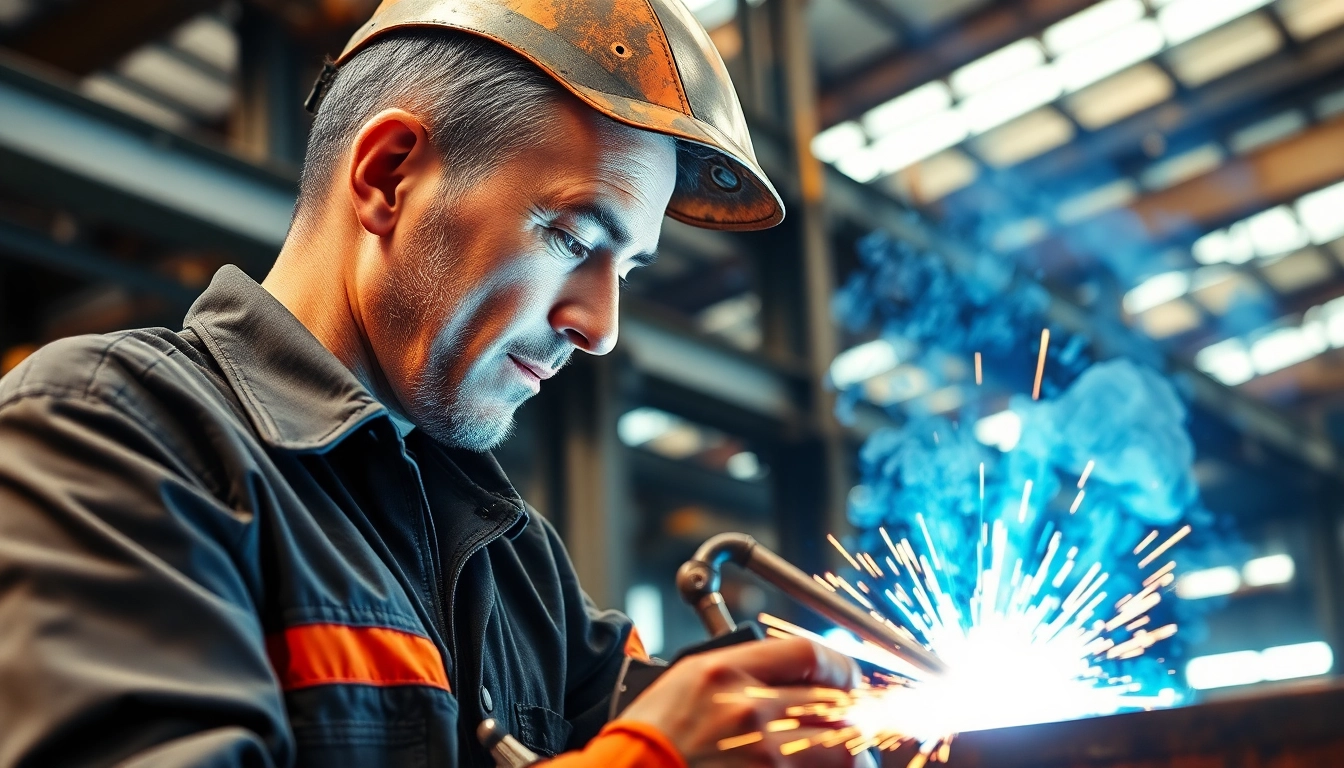
Structural steel welding is the process of joining metal parts, specifically steel components, through the application of heat and pressure. This form of welding is pivotal for creating strong and durable joints, which are essential for the structural integrity of buildings and facilities. The methods employed can vary based on the specific requirements of the project as well as the type of materials being joined.
Common Techniques in Structural Steel Welding
Several welding techniques are utilized in structural steel welding, each with its unique properties and applications. The most frequently used techniques include:
- Shielded Metal Arc Welding (SMAW): Also known as stick welding, SMAW is lauded for its versatility in various positions and conditions.
- Gas Metal Arc Welding (GMAW): Commonly referred to as MIG welding, GMAW is often chosen for its speed and ease of use.
- Flux Cored Arc Welding (FCAW): Particularly effective for outdoor projects, FCAW combines high productivity with good penetration.
- Tungsten Inert Gas (TIG) Welding: TIG welding is favored for its precision and ability to weld thin materials.
Benefits of Structural Steel Welding
Choosing structural steel welding for construction projects brings numerous advantages, including:
- Durability: Welded joints are known for their strength and longevity, ensuring structures can withstand varying loads and forces.
- Versatility: This method can be employed in diverse applications, from building bridges to manufacturing industrial machinery.
- Efficiency: With advanced techniques, welding can significantly reduce assembly time, promoting faster project completion.
- Economic Savings: By minimizing the need for mechanical fasteners, welding reduces material costs and labor time.
Equipment and Materials for Effective Welding
Essential Welding Equipment Overview
The right equipment is vital for successful structural steel welding. Essential tools include:
- Welding Machines: Depending on the chosen technique, different machines like SMAW or MIG welders will be needed.
- Protective Gear: Safety goggles, gloves, helmets, and aprons are necessary to protect welders from sparks, heat, and radiation.
- Filler Rods and Electrode Wires: These components are critical for adding material to the weld, varying by the welding process used.
Types of Steel Used in Structural Steel Welding
Understanding the types of steel suitable for welding is essential. The primary categories include:
- Carbon Steel: The most common steel type used due to its availability and strength.
- Alloy Steel: Utilized for specific properties such as enhanced corrosion resistance or higher strength.
- Stainless Steel: Preferred for applications requiring resistance to rust and corrosion.
Choosing the Right Filler Material
The selection of filler material is vital in achieving a successful weld. Considerations include:
- The base metal’s composition and thickness.
- The intended application and service conditions.
- The welding technique being used.
Techniques and Best Practices for Structural Steel Welding
Step-by-Step Guide to Manual Arc Welding
Manual Arc Welding (SMAW) involves several steps:
- Prepare the work surface by cleaning and removing any contaminants.
- Select the appropriate electrode based on the material.
- Set the machine to the recommended amperage for the electrode.
- Strike the arc and start the weld, maintaining the correct angle and speed.
- Inspect the weld continuously for proper penetration and appearance.
Advanced Techniques: MIG vs. TIG Welding
Choosing between MIG and TIG welding depends on the project goals. MIG welding is advantageous for speed and ease, often leading to less operator fatigue. In contrast, TIG welding offers superior control and is ideal for thin materials or intricate designs, albeit at a slower pace.
Safety Practices in Structural Steel Welding
Safety cannot be overstated in the welding field. Key practices include:
- Always wear appropriate personal protective equipment (PPE).
- Ensure adequate ventilation in the workspace to avoid exposure to toxic fumes.
- Be aware of fire hazards and maintain a clean work environment.
Challenges in Structural Steel Welding
Identifying Common Welding Defects
Understanding potential welding defects can prevent costly rework. Common issues include:
- Porosity: Gas pockets can weaken the weld; controlling the environment can mitigate this issue.
- Cracking: Often related to rapid cooling, using the correct preheat conditions can minimize this risk.
- Incomplete Fusion: Ensuring proper joint preparation and technique can help achieve thorough fusion.
Overcoming Skill Gaps in Welding Techniques
Continuing education and practice are vital in addressing skill gaps. Welding professionals should regularly engage in training programs to stay updated on new techniques and methods.
Regulations and Standards in Welding
Welding is governed by various standards to ensure safety and quality. The American Welding Society (AWS) provides guidelines on best practices and certification requirements that welders should adhere to.
Career Opportunities and Future Outlook in Structural Steel Welding
Job Roles and Responsibilities of Structural Welders
Structural welders are integral to the construction process. They are responsible for:
- Reading blueprints and specifications to execute projects accurately.
- Interpreting welding symbols and standards.
- Participating in safety training and maintaining welding equipment.
Paths to Certification and Training
Certifications can significantly enhance a welder’s prospects. Various organizations offer welding programs, including hands-on training and theoretical courses leading to certification. Completion of these programs validates skills and often corresponds with higher pay rates.
Salary Expectations and Industry Demand
With an increasing focus on infrastructure development, the demand for skilled welders remains strong. Salaries vary based on experience, location, and specific industries, with numerous opportunities for advancement as welders gain experience and certifications.
Frequently Asked Questions
What type of welding is used for structural steel?
Common methods include manual arc welding and semi-automatic methods, each selected based on specific project needs and material types.
What does a structural steel welder do?
A structural welder joins steel components essential for construction, ensuring stability and strength through precise welding techniques.
Is structural welding a good career choice?
Yes, it offers excellent job stability and growth potential due to the continuous demand for skilled tradespeople in the infrastructure sector.
What are the main differences between SMAW and GMAW?
SMAW is rugged and versatile, ideal for various conditions, whereas GMAW is faster and offers cleaner welds, making it suitable for different applications.
How do I improve my structural steel welding skills?
Regular practice, learning from seasoned welders, and participating in formal training programs can significantly enhance your welding techniques and proficiency.