
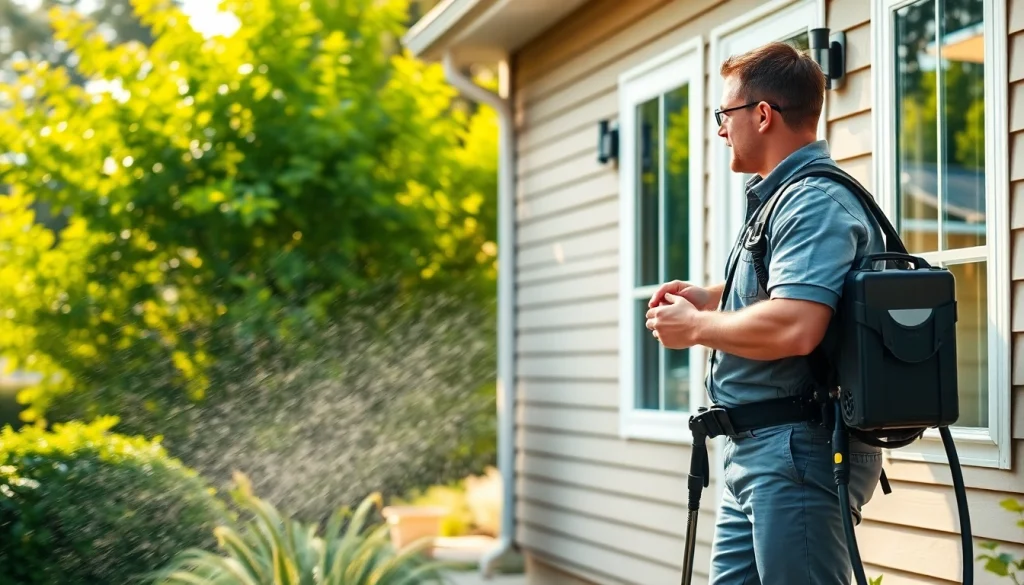
Understanding Soft Washing
Soft washing is an innovative cleaning technique that uses low pressure and specially formulated cleaning solutions to safely clean a variety of surfaces. This method is particularly effective for delicate materials that can be damaged by traditional high-pressure washing techniques. By employing this gentle yet effective approach, homeowners and business operators can achieve a deep clean without risking harm to their property. When exploring options, soft wash services offer comprehensive insights into maintaining the integrity and beauty of your exterior spaces.
What Is Soft Washing and How Does It Work?
At its core, soft washing involves the application of biodegradable cleaning agents mixed with low-pressure water. The cleaning solutions penetrate surfaces like wood, shingles, and stucco to remove dirt, stains, algae, and other residues. As the mixture is applied, it clings to the surface longer than traditional methods, allowing for a thorough clean without the risks of damage associated with high-pressure washing.
The process typically starts with a thorough assessment of the surface to be cleaned, determining the right mixture of cleaning agents based on the type of material and the extent of soiling. Once the cleaning solution is prepared, it is applied evenly across the surface using specialized equipment designed to keep pressure low while maximizing cleaning efficacy. Rinsing is often done with water at low pressures to remove dirt and debris, leaving behind a clean and sanitized surface.
The Benefits of Soft Washing Over Traditional Pressure Washing
- Gentle on Surfaces: Unlike high-pressure washing, which can strip paint and damage soft materials, soft washing minimizes the risk of harm.
- Long-Lasting Results: The cleaning agents used in soft washing not only clean but also inhibit future growth of mold and mildew.
- Eco-Friendly: Biodegradable solutions ensure that soft washing is safe for the environment and surrounding landscaping.
- Cost-Effective Maintenance: Regular soft washing can save homeowners money in the long run by extending the lifespan of surfaces.
Key Differences Between Soft Wash and Pressure Wash Techniques
While both soft washing and pressure washing aim to clean surfaces, they employ fundamentally different methods. Pressure washing utilizes high-pressure water jets to remove dirt, which can be effective on hard surfaces like concrete but can damage more delicate materials. Conversely, soft washing uses a lower pressure, allowing for a safe and effective clean, particularly for roofs, siding, and other sensitive surfaces.
In addition, the cleaning solutions play a vital role in soft washing, providing a deeper clean and protecting surfaces from future growth of contaminants, unlike standard pressure washing that mainly relies on force.
Choosing the Right Soft Wash Service
When it comes to selecting a soft wash service, various factors must be considered to ensure quality and satisfaction. Opting for the right service can make all the difference in maintaining the appearance and longevity of your property’s exterior.
Essential Factors to Look for in a Soft Wash Provider
- Experience and Qualifications: Look for a company with a proven track record in soft washing, including certifications and training in the field.
- Insurance Coverage: A reputable provider should have liability insurance to protect both their workers and your property.
- Eco-Friendly Practices: Ensure the company uses biodegradable cleaning solutions to protect your landscape and the environment.
- Customer Reviews: Checking references and online reviews can provide insights into the level of service and results you can expect.
How to Evaluate the Quality of Soft Washing Equipment
The quality of equipment used can significantly influence the effectiveness of soft washing. Professional companies use state-of-the-art equipment designed for both efficiency and safety. Look for providers who utilize soft wash systems specifically designed for low-pressure cleaning and capable of mixing cleaning agents accurately. Additionally, inquire about maintenance and calibration of their equipment to ensure optimal performance.
Questions to Ask Before Hiring a Soft Washing Service
Before making a hiring decision, it’s crucial to ask the right questions. Here are some essential inquiries:
- What cleaning solutions do you use, and are they safe for my landscaping?
- Can you provide references or examples of previous work?
- What is your process for assessing and determining the right solutions for my surfaces?
- Do you offer any warranties or guarantees on your services?
Preparing Your Home for Soft Washing
Preparing your property before a soft washing service can optimize the results and protect your landscaping. Taking a few simple steps will ensure a smooth process and satisfactory outcome.
Essential Steps to Take Before a Soft Wash Service
- Clear the Area: Remove any outdoor furniture, decorations, or pot plants that could obstruct cleaning.
- Secure Windows and Doors: Ensure all windows and doors are closed and locked to prevent any cleaning solutions from entering your home.
- Inform Neighbors: Let nearby residents know about the cleaning, especially if you share common spaces or walls.
What Surfaces Can Benefit from Soft Washing?
Soft washing is effective on various surfaces, including:
- Roofs
- Wood and vinyl siding
- Decks and patios
- Fencing
- Concrete and brick surfaces
Protecting Your Landscaping During the Cleaning Process
While soft washing is generally safe for landscaping, you can take precautions to mitigate any potential risks. Covering vulnerable plants with tarps and ensuring that garden areas are rinsed thoroughly after the cleaning can help keep your landscaping safe. Additionally, choose a service that uses eco-friendly products to minimize the impact on your outdoor environment.
Soft Washing Maintenance Tips
Maintaining the cleanliness of your property post-soft washing is crucial for long-lasting results and continued aesthetic appeal. Adopting simple maintenance practices can maximize the effectiveness of your soft wash treatment.
How Often Should You Schedule a Soft Wash?
Generally, homeowners should consider scheduling a soft wash every 1-3 years, depending on environmental factors such as climate, exposure to elements, and the specific surfaces being cleaned. In humid climates like Kissimmee, more frequent cleaning may be necessary due to higher risks of mold and mildew growth.
Simple Maintenance Tasks Post-Soft Wash
- Regular Inspections: Periodically check for stains or growths on surfaces that may require a touch-up.
- Gutter Maintenance: Keep gutters clean and free of debris to prevent water damage and promote proper drainage.
- Landscaping Care: Maintain plants around your home to further protect surfaces from dirt and algae growth.
Signs Your Home Needs Soft Washing Again
Look for the following indicators that suggest it might be time for another soft wash:
- Visible mold or mildew on surfaces
- Discoloration or stains that are returning
- Increased dirt accumulation on siding or roofs
Future Trends in Soft Washing Technology
As the industry evolves, several emerging trends and innovations are beginning to shape the future of soft washing, presenting exciting opportunities for property maintenance.
Innovations in Eco-Friendly Cleaning Solutions
With increasing awareness of environmental issues, manufacturers are focused on creating cleaning agents that are not only effective but also eco-friendly. The development of plant-based, biodegradable solutions is paving the way for safer cleaning methods that can minimize chemical impact on the environment.
The Impact of Technology on Soft Washing Efficiency
Advanced technology is enhancing the efficiency of soft washing procedures, from automated systems that allow for precise application of cleaning agents to digital platforms that streamline scheduling and customer service. These improvements not only increase effectiveness but also enhance customer satisfaction.
Emerging Trends for Soft Wash Services in 2025 and Beyond
Looking forward, expect to see greater customization in soft washing services based on specific property types and individual customer needs. Additionally, there is likely to be a stronger emphasis on preventive maintenance plans, where regular soft washing is part of an ongoing service agreement to keep properties in top condition year-round.