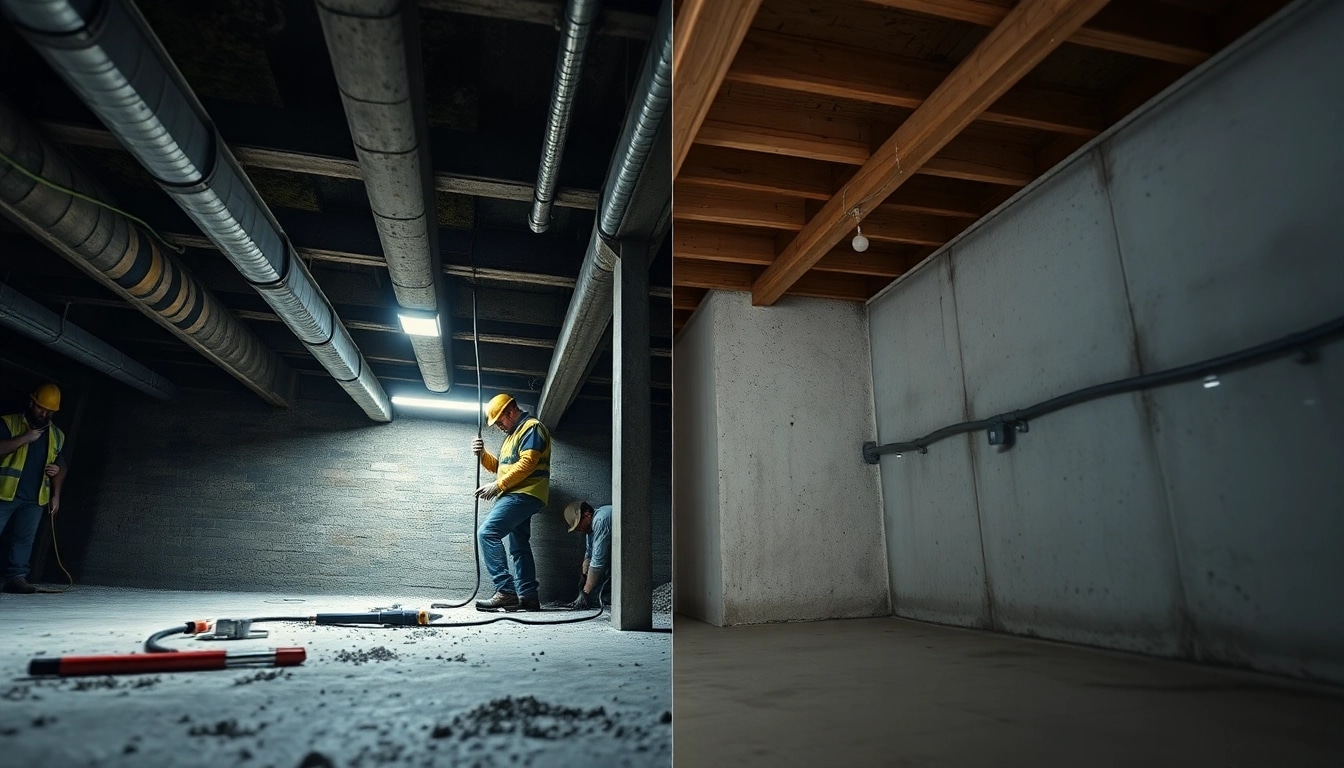
Understanding Crawl Space Restoration
What is Crawl Space Restoration?
Crawl Space Restoration refers to a systematic process aimed at rehabilitating and revitalizing the often-overlooked area beneath a home or building. This process includes addressing issues such as moisture accumulation, mold growth, structural concerns, and pest infestations to create a safe and healthy environment. A well-maintained crawl space can improve home longevity, enhance air quality, and prevent costly structural damage over time. Essential aspects of this process often involve complete cleaning, repair, and enhancement of isolation techniques, ventilation systems, and waterproofing methods to create a resilient understructure.
Importance of Crawl Space Maintenance
Maintaining a crawl space is crucial because it plays an integral role in the overall health and structural integrity of your home. Regular maintenance prevents the onset of significant issues like fungal growth, water damage, and pest invasions, which can lead to costly repairs. With proper Crawl Space Restoration, homeowners can enjoy increased property value, improved indoor air quality, and enhanced energy efficiency by reducing the workload on HVAC systems. In addition, an adequately maintained crawl space ensures compliance with health and safety regulations, creating a safer living environment for all occupants.
Signs You Need Crawl Space Restoration
- Excess Moisture: If you notice puddles of water or dampness in your crawl space, it’s time to take action.
- Mold Growth: The presence of mold indicates prolonged moisture issues requiring immediate attention.
- Unpleasant Odors: Musty smells can suggest trapped moisture and biological growth.
- Pest Infestations: Finding pests or signs of them can mean your crawl space needs restoration.
- Structural Damage: Cracks in walls or sagging beams are indicators of significant problems.
Common Crawl Space Issues
Moisture Problems and Solutions
Moisture presents one of the most significant threats to crawl spaces. It can stem from inadequate drainage, roof leaks, or rising groundwater. Solutions include installing sump pumps, using dehumidifiers, and ensuring proper drainage systems are in place. Additionally, vapor barriers can reduce humidity, while ensuring the foundation is sealed, prevents moisture intrusion.
Mold and Mildew Management
Mold and mildew thrive in damp environments, making crawl spaces a prime target. To manage these issues effectively, it's crucial to identify moisture sources and eliminate them. Regular inspections and treatments with mold-killing agents help control growth. Moreover, ensuring proper ventilation can aid in keeping air dry and reduce future risks of mold development.
Structural Damage Consequences
Structural damages, like sagging beams or bowing walls, can lead to severe safety concerns and costly repairs. Continuous exposure to uncontrolled moisture increases the risk of deterioration in wooden structures. Early detection through regular inspections is vital to prevent long-term implications. Reinforcing the structural integrity can include adding support beams or replacing damaged materials.
Crawl Space Restoration Techniques
Insulation and Ventilation Improvements
Proper insulation in a crawl space helps maintain temperature and prevents moisture buildup. Insulation techniques can include rigid foam boards or spray foam insulation to minimize thermal transfer. Enhancing ventilation can involve adding vents or exhaust fans to promote airflow. A well-ventilated crawl space mitigates humidity and associated risks.
Waterproofing Methods Explained
Waterproofing is an essential component of crawl space restoration. Techniques such as interior French drains, exterior drainage systems, and waterproof coatings safeguard against water intrusion. Each method varies in effectiveness based on the specific environmental conditions and design of the property. Professionals often assess the unique needs of a crawl space to recommend suitable waterproofing solutions.
Pest Control Strategies
Pest control in a crawl space requires a multifaceted approach. First, identify entry points and seal them to prevent infestation. Regularly inspect for droppings or damaged wood. Using traps and natural repellents can be effective alongside professional pest control methods when needed. Integrated pest management ensures long-term prevention and control of pest-related issues.
Professional vs. DIY Restoration
Pros and Cons of Hiring a Professional
Engaging professionals for crawl space restoration has distinct advantages. They bring expertise, specialized equipment, and comprehensive assessments that ensure all moisture, mold, and structural issues are effectively addressed. However, costs can be substantially higher than DIY methods. It's crucial to weigh the benefits of expert craftsmanship against budget constraints when deciding.
DIY Restoration Considerations
While many aspects of crawl space restoration can be tackled through DIY methods, thorough research and planning are essential. Homeowners can significantly reduce costs but must be cautious about their limitations. Simple tasks such as sealing gaps, adding insulation, or installing vapor barriers can be manageable, yet deeper issues should be left to experienced contractors to prevent further damage.
When to Seek Professional Help
There are specific scenarios where seeking professional assistance becomes necessary. If moisture levels persist despite DIY efforts, or if structural damages are significant or complex, it is wise to consult an expert. Additionally, mold infestations beyond surface mold call for specialized remediation techniques that experienced professionals can provide effectively.
Maintaining Your Restored Crawl Space
Regular Inspection Checklist
To maintain a healthy crawl space, a routine inspection checklist is essential. Schedule inspections at least twice yearly, focusing on identifying signs of moisture, mold, pest activity, or structural concerns. Check insulation quality, ventilation efficiency, and the integrity of vapor barriers. This proactive approach can save significant costs by addressing issues before they escalate.
Long-Term Maintenance Tips
For long-term crawl space health, focus on ongoing maintenance strategies such as keeping the gutters clean, ensuring proper drainage around the property, and using dehumidifiers during high humidity seasons. Regularly monitor humidity levels and consider annual professional assessments to identify any emerging issues promptly. Keeping the area clean and clutter-free also aids in reducing pest activity.
Enhancing Air Quality After Restoration
Post-restoration, enhancing air quality is vital. This can be achieved through the introduction of airflow systems and air purifiers. Ensuring consistent ventilation prevents humidity buildup, while actively managing contaminants that may affect indoor air quality. Homeowners can also use natural products to help maintain a clean and fresh atmosphere within their homes.
FAQs
What is the average cost of crawl space restoration?
The average cost of crawl space restoration varies widely based on size and specific issues, typically ranging from a few hundred to several thousand dollars.
How long does crawl space restoration take?
The duration of crawl space restoration can vary from a few hours for minor repairs to several days for extensive mold or structural damage solutions.
Can I do crawl space restoration myself?
Yes, some aspects can be DIY, like sealing gaps and adding insulation, but professional help is recommended for complex issues.
How can I prevent moisture buildup in my crawl space?
Prevent moisture with proper drainage, installing vapor barriers, and ensuring adequate ventilation systems are in place.
When should I schedule my crawl space inspection?
Perform crawl space inspections at least twice a year, ideally in spring and fall, to catch issues before they escalate.