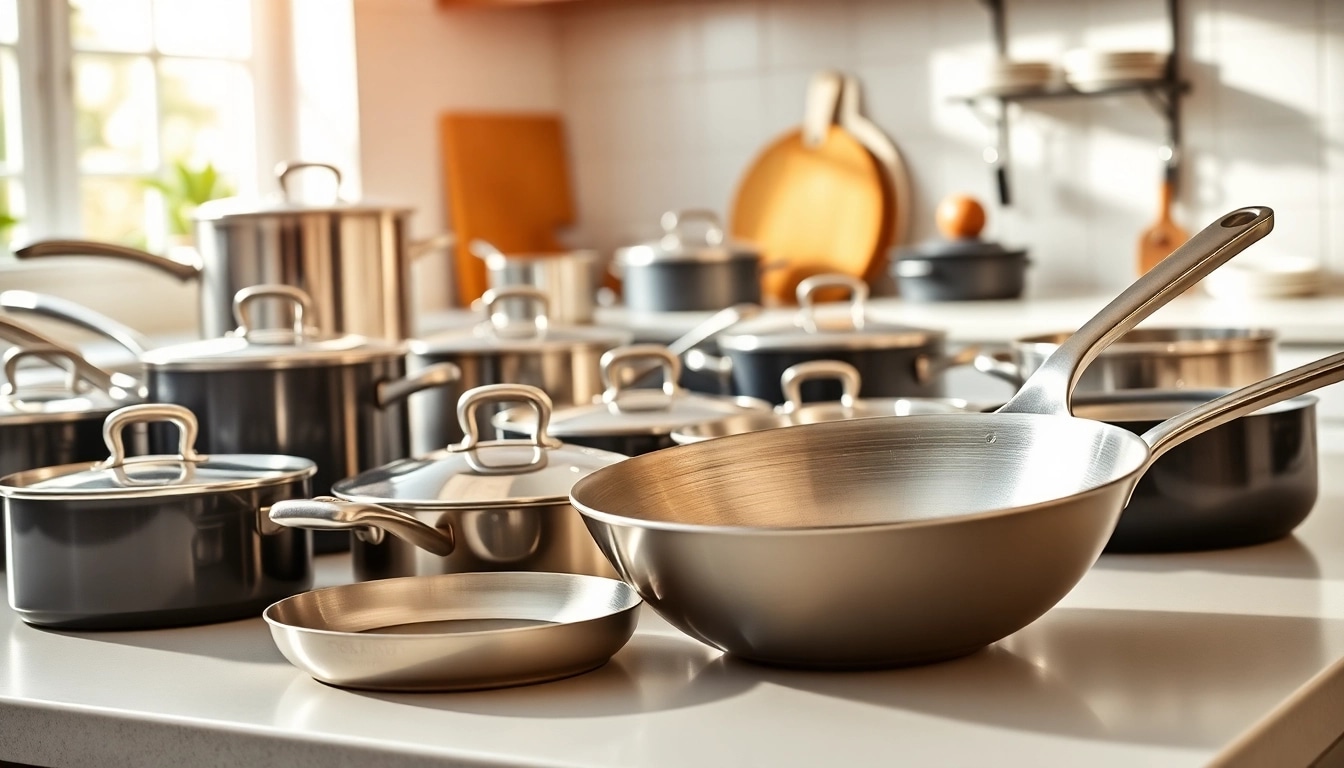
Cookware is the essential foundation for any kitchen, influencing not only cooking performance but also the kitchen's overall vibe. Understanding the variety of cookware available helps in making informed choices, enhancing culinary experiences, and mastering different cooking techniques. With a vast array of materials, sizes, and shapes, selecting the right cookware becomes crucial for every cooking enthusiast. By exploring the crossroads of quality, performance, and practical application, readers can enrich their cooking journey. For top-quality cookware, understanding how to choose the right pieces is essential.
Understanding Different Types of Cookware
Material Matters: Choosing Your Cookware
Cookware material dictates cooking efficiency, safety, and maintenance levels in the kitchen. The most common materials include:
- Stainless Steel: Renowned for durability and resistance to rust. It’s ideal for browning and deglazing.
- Nonstick: Perfect for low-fat cooking and easy maintenance. Generally made from Teflon or ceramic coatings.
- Cast Iron: Unmatched in heat retention and distribution; perfect for slow cooking and searing. Requires seasoning for non-stick properties.
- Copper: Exceptional heat conductivity. Often lined with stainless steel for durability, it’s perfect for sensitive culinary techniques.
- Carbon Steel: Similar to cast iron but lighter, offering great heat retention and responsiveness.
The right material depends on cooking style and preferences. For instance, stainless steel is favored by chefs for sautéing, while nonstick is favored for delicate foods like eggs.
Cookware Shapes and Sizes Explained
Understanding cookware shapes and sizes enhances functionality and results. Some essential shapes include:
- Saucepans: Perfect for sauces or boiling grains.
- Fry Pans: Ideal for sautéing vegetables or frying. Available in various sizes for different batch sizes.
- Stock Pots: Great for soups, stocks, or boiling pasta, with high sides allowing ample evaporation.
- Baking Sheets: Vital for roasting vegetables or baking cookies. Usually flat and rectangular for even heat distribution.
- Woks: Excellent for stir-frying, offering a rounded bottom for high heat cooking.
Purchasing a mixture of these shapes can cater to varied culinary needs, facilitating an expansive range of cooking methods.
Specialty Cookware for Specific Cooking Techniques
For specific culinary techniques, specialty cookware can elevate performance:
- Pressure Cookers: Speed up cooking times through steam pressure.
- Slow Cookers: Perfect for tenderizing meats over long durations.
- Griddles: Ideal for breakfast items like pancakes and sandwiches.
- Dutch Ovens: Versatile for baking, stewing, or roasting; they are perfect for braising meats.
Investing in specialty cookware helps tackle intricate recipes or techniques, enhancing cooking efficiency and results.
Essential Cookware for Every Kitchen
Must-Have Cookware for Beginners
New cooks should aim for a fundamental selection of cookware to ensure versatility:
- 10-12 Inch Fry Pan: All-purpose pan for sautéing, frying, and searing.
- Medium Saucepan: Used for cooking grains, sauces, and reheating soups.
- Large Stock Pot: Ideal for big batches, including soups and pasta.
- Sheet Pan: Versatile for baking, roasting, or as a cooking surface.
This collection provides a solid foundation, enabling experimentation and exploration of various cooking methods.
Upgrading Your Cookware Collection
As skills develop, it’s wise to evaluate and upgrade cookware. Consider:
- High-End Nonstick Cookware: Enhanced durability and performance compared to standard nonstick options.
- Cast Iron Skillet: For superior durability and performance in high-heat situations.
- Induction Cookware: If cooking on induction stoves, invest in induction-compatible pots and pans.
Investing in quality over quantity pays dividends over time, improving cooking results and kitchen efficiency.
Eco-Friendly Cookware Options
More consumers are concerned about environmental impacts. Consider these eco-friendly options:
- Ceramic Cookware: Free from harmful chemicals and often more sustainably produced.
- Recycled Aluminum: Lightweight and often treated for durability, making it eco-friendlier than traditional aluminum.
- Bamboo Cookware: Fast-growing and renewable, often used for utensils and kitchen tools.
Choosing eco-friendly cookware aligned with personal values can contribute to sustainability while maintaining cooking efficiency.
How to Properly Care for Your Cookware
Cleaning Techniques for Different Materials
Proper care ensures durability and performance. Here are guidelines for various materials:
- Stainless Steel: Use a soft sponge with warm, soapy water; avoid steel wool to prevent scratching.
- Nonstick: Clean with gentle sponges; avoid abrasive cleaners and sharp utensils to prevent scratching.
- Cast Iron: Wipe with a damp cloth and dry thoroughly; require proper seasoning for use.
- Copper: Use a specialized copper cleaner or a mixture of vinegar and salt to maintain its shine.
Staying consistent with proper cleaning can significantly extend the lifespan of cookware.
Storage Solutions for Long-Lasting Cookware
Proper storage prevents damage and maintains functionality. Here are some tips:
- Stacking Cookware: Use pan protectors to prevent scratching and damaging surfaces.
- Utilize Drawers: Store pots and pans in deep drawers to avoid overhead damage.
- Hooks: Use wall hooks for hanging pans to save space and avoid scratches.
Implementing effective storage can maximize kitchen space while preserving cookware longevity.
Avoiding Common Cookware Mistakes
Common mistakes can lead to premature wear or inefficient cooking:
- Using metal utensils on nonstick surfaces—causes scratches and damages.
- Overheating certain materials like nonstick or plastic—leads to deterioration and harmful fumes.
- Neglecting to season cast iron leading to rusting and loss of nonstick properties.
Avoiding these pitfalls through awareness enhances cooking performance and longevity.
Culinary Techniques Enhanced by High-Quality Cookware
Perfecting the Art of Searing
Searing locks in moisture and develops flavor. For best results, consider:
- Preheating: Ensure the pan is hot to achieve a nice crust.
- High-Quality Materials: Use materials that maintain heat and allow even cooking.
- Avoid Overcrowding: Give space to each piece to avoid steaming and promote even browning.
Understanding these elements can elevate cooking quality significantly.
Using Cookware for Healthy Cooking
Healthy cooking is achievable through thoughtful cookware choices. Strategies include:
- Nonstick Surfaces: Reduce oil usage for frying and sautéing dishes.
- Steam Cookers: Utilize steam instead of boiling to retain nutrients in vegetables.
- Iron Cookware: Iron leaches into foods, which can be beneficial especially for those lacking in iron.
Leveraging the right cookware can aid in maintaining nutritional integrity while cooking.
Mastering Sauces and Stocks with the Right Tools
The right cookware simplifies making sauces and stocks. Consider:
- Heavy-Bottomed Pots: They distribute heat evenly, crucial for simmering stocks or sauces.
- Whisk: Essential for emulsifying sauces such as vinaigrettes or hollandaise.
- Strainer: Finding the right strainer helps separate solids from liquids, enhancing the final product.
Utilizing the appropriate tools significantly boosts sauce and stock quality, offering depth of flavor and richness.
Frequently Asked Questions about Cookware
What are the best materials for cookware?
The best materials include stainless steel for durability, nonstick for easy cleanup, and cast iron for excellent heat retention.
How can I prolong the life of my cookware?
Proper cleaning, avoiding metal utensils on nonstick surfaces, and adequate storage practices contribute to longer cookware life.
Is non-stick cookware safe for health?
Modern non-stick cookware is generally considered safe; however, ensure it's PFOA-free and avoid overheating to prevent chemical release.
How do I choose the right cookware size?
Consider the portion sizes you typically cook. Opt for larger pans for families or meal prepping and smaller for singles or couples.
Can I use metal utensils on non-stick cookware?
It's advised to avoid metal utensils on nonstick cookware as they can scratch and degrade the coating over time.