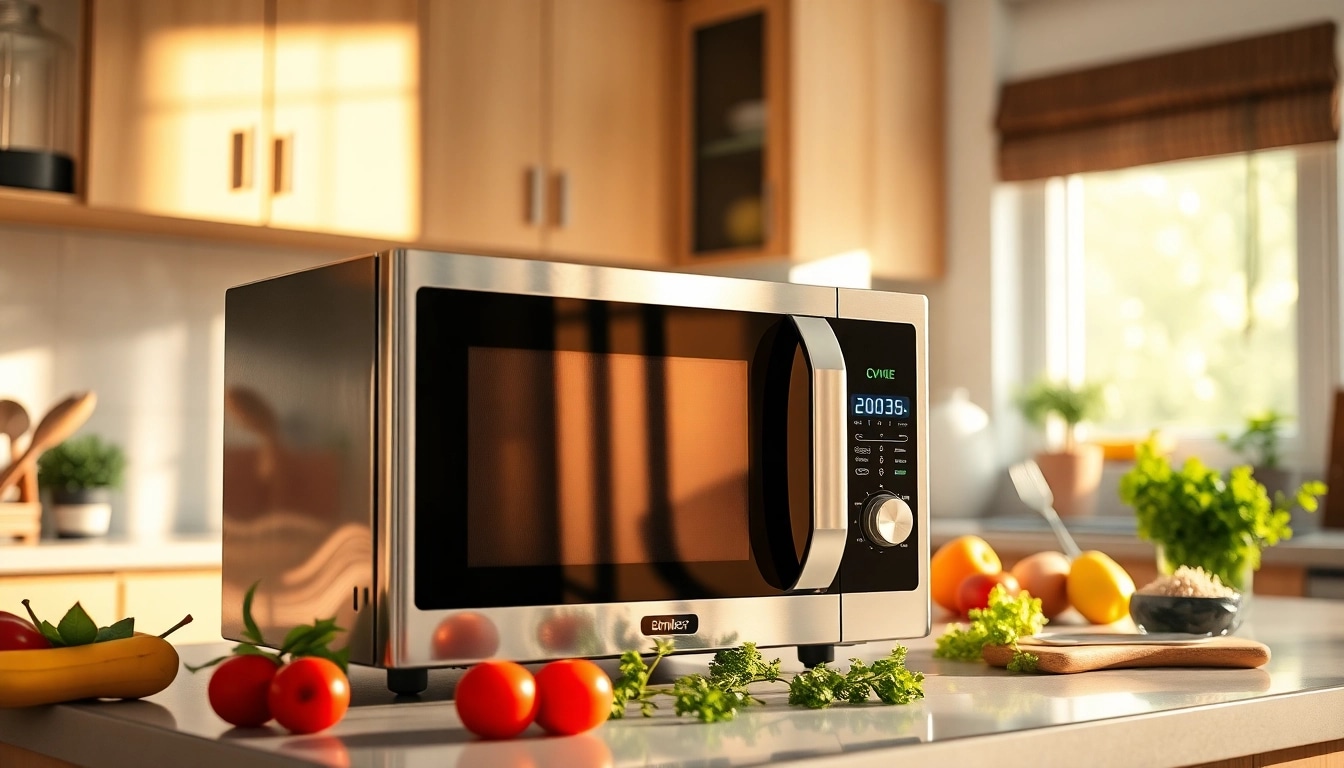
Understanding the Microwave Oven
What is a Microwave Oven?
A Microwave Oven is a kitchen appliance that cooks or heats food by exposing it to electromagnetic radiation in the microwave frequency range. Unlike conventional ovens, which use thermal conduction and convection to heat food, the Microwave Oven utilizes the energy from microwaves to excite water molecules in the food, causing them to vibrate and generate heat. This rapid heating process is efficient, making Microwave Ovens a popular choice for quick meal preparations. They are versatile appliances found in homes, restaurants, and offices, ideal for reheating leftovers, cooking popcorn, or even baking in some modern models. By using a Microwave Oven, you can significantly reduce cooking time while maintaining flavor and nutritional integrity.
The Science Behind Microwave Heating
The science behind microwave heating involves the interaction of microwave radiation with food. Microwaves are a form of non-ionizing electromagnetic radiation, which means they do not have enough energy to remove tightly bound electrons from atoms or molecules. When food is placed inside a Microwave Oven, the magnetron generates microwaves which are then absorbed by the food. The molecules in water and fat absorb the microwaves and begin to rotate rapidly, creating friction. This friction generates heat, which cooks the food from the inside out. The efficiency and speed of this cooking method depend on various factors, including the food's water content, the microwave’s wattage, and the size and shape of the food item.
Types of Microwave Ovens
Microwave Ovens come in various types, each designed to meet different cooking needs and preferences. The main types include:
- Countertop Microwaves: These are the most common type and are easy to install. They offer versatility and can be moved if necessary.
- Over-the-Range Microwaves: These models combine a microwave with a range hood, saving space while also providing ventilation for the stove.
- Built-in Microwaves: Designed for seamless integration into kitchen cabinetry, these models provide a clean and sophisticated look but require professional installation.
- Microwave Convection Ovens: These units combine microwave and convection cooking capabilities, allowing for browning and crisping along with heating.
- Microwave Broiler Ovens: These specialized units offer a broiling feature, great for achieving a crispy finish or melting cheese on dishes.
Benefits of Using a Microwave Oven
Time-Saving Features
The primary benefit of using a Microwave Oven is the significant time savings it offers. Traditional cooking methods can take anywhere from 30 minutes to several hours, depending on the dish, while microwave cooking is often completed in minutes. For busy individuals or families, this is particularly advantageous, allowing for quick meal preparation or rapid reheating of leftovers. Pre-packaged microwave meals can also save time, providing convenient options when cooking is not feasible.
Energy Efficiency Analysis
Microwave Ovens are generally more energy-efficient compared to conventional ovens. They consume less energy while cooking food, as they directly heat the food instead of heating the entire oven cavity. The U.S. Department of Energy has highlighted that using a Microwave Oven can reduce energy consumption significantly during meal preparation. This efficiency not only helps reduce utility bills but also makes it an environmentally friendlier choice.
Health Considerations
From a health perspective, using a Microwave Oven can be beneficial. Quick cooking helps preserve nutrients that may be lost during extended cooking times. Additionally, certain microwave-safe plating options minimize the risk of harmful compounds leaching into food. It is essential, however, to ensure that food is cooked or reheated evenly within the Microwave Oven to avoid cold spots where bacteria could thrive.
Essential Microwave Oven Features
Power Levels and Cooking Options
Microwave Ovens come with various power levels, typically ranging from 600 to 1200 watts. This variability allows users to adjust cooking times based on the food being prepared. Advanced models may include settings for defrosting, reheating, or specialized cooking modes such as popcorn, pizza, or baked goods. These preset functions optimize cooking results, providing consistency and ease of use for all users.
Size and Capacity Insights
Choosing the right size and capacity for a Microwave Oven is critical. With options ranging from compact units ideal for small kitchens or dorm rooms to larger models capable of accommodating multiple dishes, it's essential to consider the available counter space and typical food portion sizes. Typically, Microwave Ovens are classified by interior capacity, measured in cubic feet, ranging from 0.5 to 2.0 cubic feet or more, catering to a variety of household needs.
Smart Functions and Innovations
The latest Microwave Ovens come equipped with smart technology, enabling users to control settings through mobile apps or voice commands, making cooking even more convenient. Additional features may include sensor cooking, which adjusts cooking time and power based on food moisture levels, as well as built-in grilling elements or steam cooking options. These innovations enhance the versatility of Microwave Ovens, appealing to tech-savvy consumers looking for modern kitchen solutions.
Choosing the Right Microwave Oven for Your Kitchen
Key Factors to Consider
When selecting a Microwave Oven, consider several key factors:
- Space Availability: Ensure the oven fits your kitchen layout, allowing for adequate ventilation.
- Cooking Habits: Assess how often you'll use the microwave and for what types of food.
- Budget: Determine your price range before shopping, as prices can vary greatly based on features.
- Energy Efficiency: Look for energy-efficient models to save on electricity bills.
Comparative Analysis of Popular Models
To aid customers in their decision-making process, comparing popular Microwave Oven models can be beneficial. Local appliance stores often provide displays of top-selling models, each showcasing distinct features that cater to a range of cooking styles. Online reviews can also offer insights into performance reliability, cooking speed, and customer satisfaction, facilitating a more informed purchase.
Budgeting for Your Purchase
Budgeting for a Microwave Oven involves understanding the retail price range, which can vary based on functionality and brand. Lower-priced models may lack advanced features, while high-end versions often include numerous settings and stylish designs. Setting a budget helps narrow down options, ensuring you find a model that best suits both your culinary needs and financial situation.
Maintaining Your Microwave Oven for Longevity
Cleaning Tips and Tricks
Regular cleaning is essential for the maintenance and longevity of a Microwave Oven. It’s advisable to wipe down the interior with a mixture of water and vinegar to remove food splatters and odors. Additionally, the turntable and any removable components should be washed regularly to prevent the buildup of residue. A clean oven not only operates more efficiently but also prolongs the appliance's life.
Troubleshooting Common Issues
Common issues faced during the operation of a Microwave Oven may include unusual noise, failure to heat, or error messages on the display. Addressing these issues promptly can prevent larger problems. Regularly checking connections, ensuring the door seals properly, and using the appliance according to the manufacturer's instructions are imperative for troubleshooting minor issues effectively.
Best Practices for Safe Use
To ensure safety while using a Microwave Oven, always use microwave-safe containers and avoid metal materials, which can spark and cause fires. Furthermore, follow cooking times and recommendations as per the food items, especially for poultry and meat, ensuring they reach safe temperatures to prevent foodborne illnesses. Familiarizing yourself with the specific instructions for your Microwave Oven model can enhance safety and operational efficiency.
Frequently Asked Questions about Microwave Ovens
1. Can I use metal containers in a Microwave Oven?
No, using metal containers can cause sparks and fires. Always use microwave-safe glass or ceramic containers.
2. How do I clean my Microwave Oven safely?
Mix water and vinegar in a bowl and heat for a few minutes to steam clean. Wipe surfaces with a damp cloth afterward.
3. What is the average lifespan of a Microwave Oven?
The average lifespan of a Microwave Oven is about 9 to 10 years, with proper care and maintenance extending its usability.
4. Is it safe to stand in front of a Microwave Oven while it’s running?
Yes, it is safe to stand nearby. Microwave technology is designed to keep radiation contained within the appliance.
5. Why does my Microwave Oven stop heating?
If your Microwave Oven stops heating, it could be due to a blown fuse, faulty door switches, or a malfunctioning magnetron. Consult a technician for repairs.