Understanding Fly Fishing Rods
Fly fishing is an art that combines skill, technique, and the right equipment. Central to this experience is the fly fishing rod, a crucial tool that can significantly affect your success on the water. Understanding the different types of rods available, as well as their materials and specifications, will allow you to make an informed decision when choosing your next fly rod. This guide aims to break down the complexities of fly fishing rods, ensuring you select from the best fly fishing rods suited to your needs.
Basics of Fly Fishing Rod Design
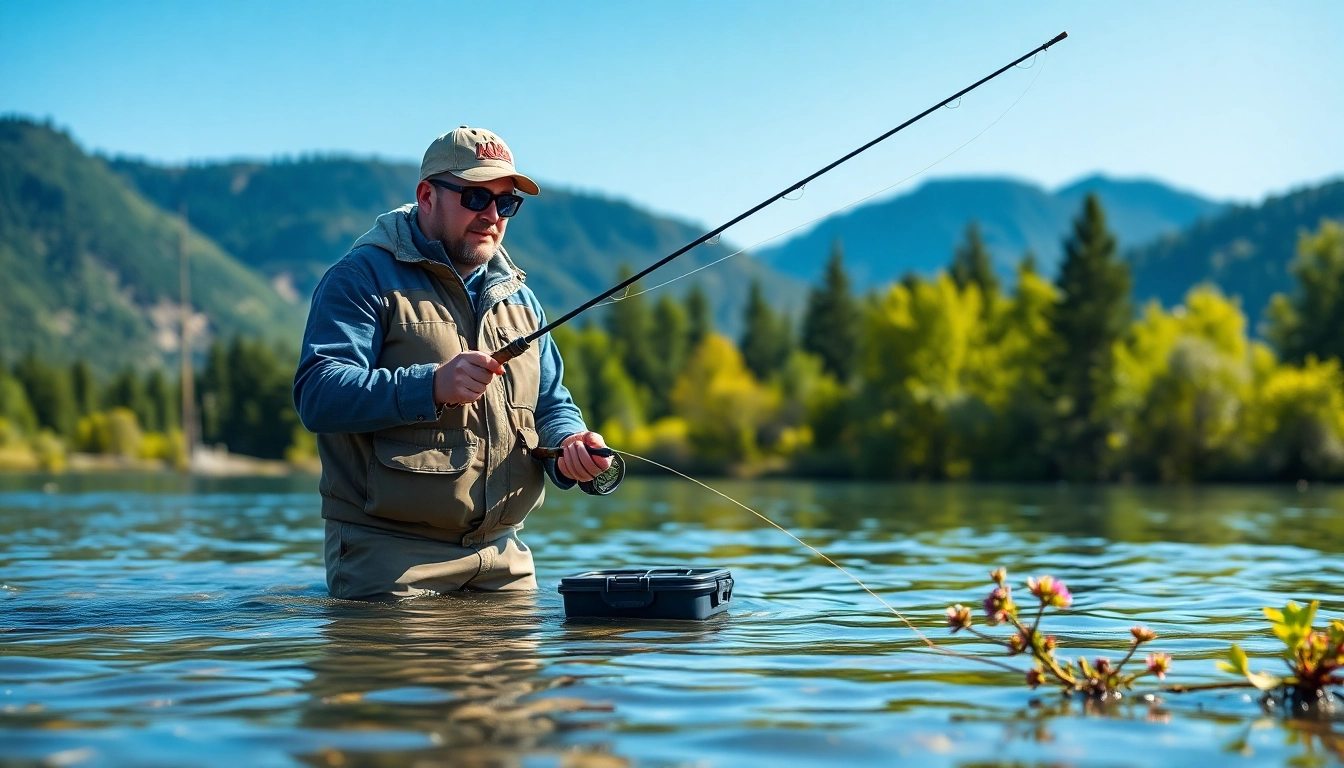
A fly fishing rod typically consists of several key components, each designed for specific roles. The main components include the rod blank (the main shaft), guides (which hold the line), the tip, and the reel seat where your fishing reel attaches. The combination of these elements affects the rod’s action, power, and sensitivity, which are critical for controlling your casts and detecting strikes.
Material Types: Graphite vs. Fiberglass
When it comes to materials, the two most common types of fly fishing rods are graphite and fiberglass. Graphite rods are known for being lightweight, sensitive, and strong, making them popular among many anglers. They provide excellent casting distance and are often preferred for various fishing conditions. Fiberglass rods, although generally heavier, are more durable and offer excellent flex, making them forgiving and easier to cast, especially for beginners.
Choosing the Right Length and Weight
The length and weight of a fly fishing rod are crucial for matching your fishing style. Rods typically range from 7 to 10 feet in length, with 9 feet being the most common for freshwater fishing. The rod's weight, designated by a number (usually from 1 to 12), refers to the weight of the line it can effectively handle. A lighter line is better for small streams and trout, while heavier weights are suited for larger rivers and species like bass or saltwater fish.
Top Features to Look for in the Best Fly Fishing Rods
Action Types Explained: Fast, Medium, and Slow
The action of a fly rod describes how much the rod bends when pressure is applied. Fast action rods bend primarily at the tip, allowing for quick, precise casts, making them ideal for windy conditions. Medium action rods flex in the middle, providing a balance between sensitivity and power, suitable for a variety of fishing situations. Slow action rods have a more parabolic bend, offering excellent feel and line control, ideal for delicate presentations.
Benefits of Ergonomic Grips and Reel Seats
Comfort during long hours of fishing is paramount. Ergonomic grips are designed to fit naturally in your hand, reducing fatigue and improving your overall fishing experience. Similarly, a quality reel seat ensures that your reel is securely attached while maintaining a lightweight, well-balanced rod. Look for models that offer adjustable reel seats or those made from corrosion-resistant materials, especially if you plan to fish in saltwater.
Price vs. Performance: Finding Your Budget Fit
In the world of fly fishing rods, price can range significantly. While more expensive rods may offer advanced materials and craftsmanship, there are many high-quality budget options that deliver excellent performance. When evaluating price versus performance, consider your skill level, frequency of use, and specific fishing conditions. Investing in a mid-range rod that suits your style may often provide better value than opting for a premium rod that you may not fully utilize.
Popular Brands Offering the Best Fly Fishing Rods
Top Endorsed Brands by Experts
When selecting a fly fishing rod, it helps to choose a brand with a good reputation and endorsements from experienced anglers. Notable brands such as Orvis, Sage, and Reddington consistently deliver quality rods that cater to various fishing styles and conditions. Each brand's lineup features options across multiple price ranges, making them accessible to both entry-level and seasoned anglers.
Customer Reviews and Insights
Before making a purchase, it’s wise to check customer reviews. Anglers often share detailed feedback regarding the performance of rods, which can be invaluable in identifying potential issues or benefits. Look for reviews that specifically address the rod’s action, sensitivity, and comfort based on prolonged use.
In-depth Brand Comparisons
Comparing brands can further simplify your selection process. For instance, Sage is renowned for its lightweight and fast-action rods, made for serious enthusiasts, while Orvis offers a broader range with options suited for both beginners and professionals. Such comparisons help you understand what each brand specializes in, allowing you to align your choice with your fishing objectives.
Best Fly Fishing Rods for Different Skill Levels
Beginners: Affordable Options to Start
For those new to fly fishing, selecting an affordable rod can enhance the learning experience without breaking the bank. Look for beginner kits that include a rod, reel, and line, allowing for a seamless start. Brands like Redington and Echo offer highly rated beginner rods that offer great performance at reasonable prices, ensuring novices build confidence on the water.
Intermediate Picks to Level Up Your Game
Intermediate anglers looking to improve their skills can benefit from rods that provide a balance of performance and price. Consider options such as the Orvis Clearwater or the Hardy Shadow, both of which offer superior sensitivity and enhanced action for a more dynamic angling experience. Investing in a mid-range rod can yield precision, control, and improved casting techniques.
Advanced Rods for Expert Anglers
Experienced anglers may prefer high-end rods engineered for specific fishing techniques and conditions. Brands like Sage and Thomas & Thomas focus on advanced materials and innovative designs suitable for precise casting and enhanced feedback. Such rods often come with a higher investment but provide unmatched performance, which seasoned professionals appreciate in demanding fishing scenarios.
Maintaining and Caring for Your Fly Fishing Rod
Cleaning and Storage Tips
Proper maintenance is essential for prolonging the life of your fly fishing rod. After every use, rinse the rod with fresh water, especially if you’ve fished in saltwater. Store your rod in a protective case or tube to prevent bending or damage, and keep it in a temperature-controlled environment to avoid material degradation.
Common Repairs You Should Know
Over time, rods may require repairs, particularly if they’re subject to rough handling or accidents. Common issues include guide replacement or tip repairs. Familiarizing yourself with basic repair skills or finding a reliable local service can save you time and money in the long run.
When to Replace Your Fishing Rod
If your rod exhibits cracking, significant wear, or frequent breaks while casting, it’s time to consider a replacement. You should also replace older rods that have lost their flexibility or responsiveness to ensure a productive fishing experience. Investing in a quality new rod can yield better performance and more successful fishing outings.