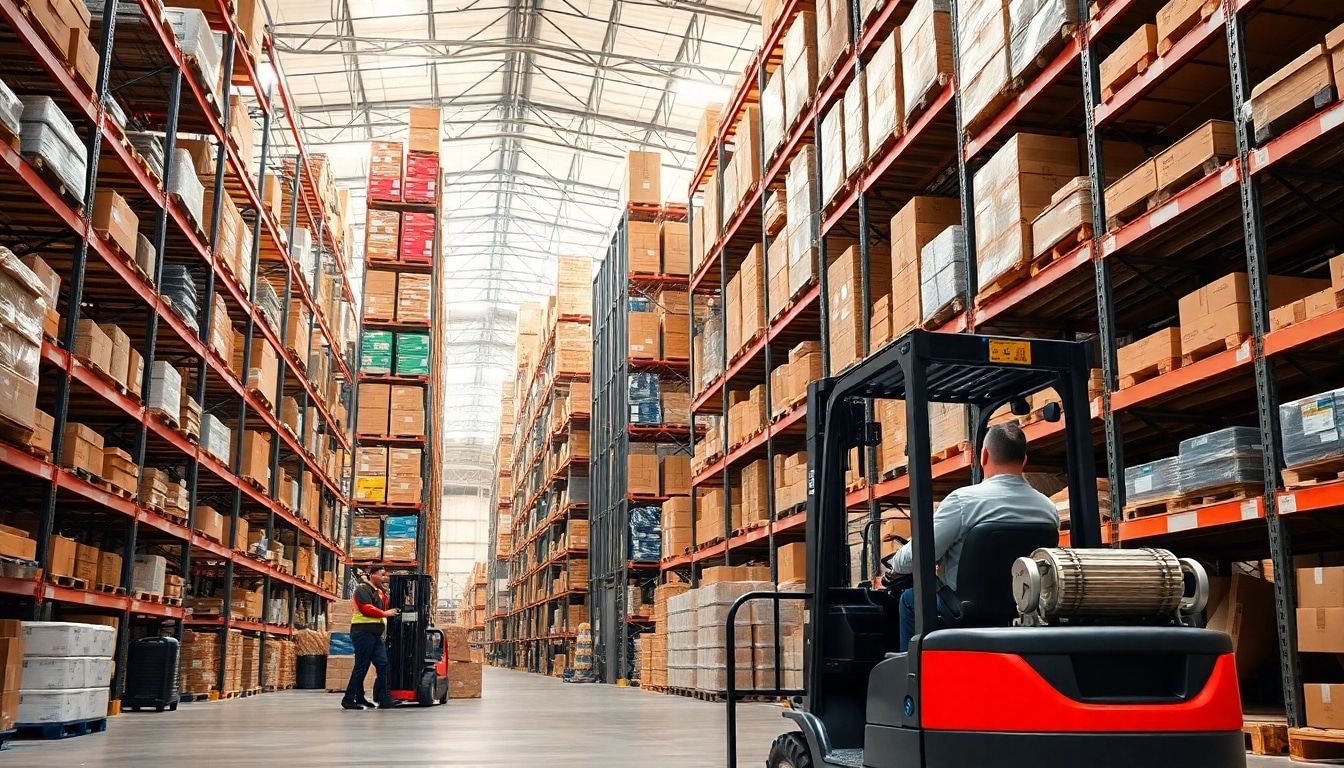
An Overview of Warehouse Functions
What is a Warehouse?
A warehouse is fundamentally a building designed to store goods and materials. It serves a pivotal role in various sectors, including manufacturing, retail, and logistics. It provides a space for the safe storage of inventories, enabling businesses to manage their stock effectively while ensuring products are available where and when they are needed. The concept of warehousing dates back centuries, but its importance has evolved significantly with the rise of global trade and e-commerce.
Types of Warehouses
Warehouses can be categorized into several types, each designed to meet specific needs:
- Distribution Centers: These are warehouses specifically engineered for the purpose of efficiently moving goods to retailers or directly to consumers. They typically emphasize speed and accuracy in fulfilling orders.
- Public Warehouses: Owned and operated as an independent business, public warehouses are available for rent by businesses. This flexibility helps small and medium-sized enterprises manage their storage needs without hefty investments.
- Private Warehouses: Often owned by retailers or manufacturers, private warehouses are typically used to store goods closer to production facilities or points of sale, enhancing the control over inventory.
- Automated Warehouses: These warehouses utilize technology such as robotics and automated systems to manage inventory and operations. This reduces the need for large workforce levels and improves accuracy and efficiency.
- Cold Storage Warehouses: Crucial for businesses dealing in perishable goods, these warehouses maintain controlled temperatures to ensure food safety and prolong shelf life.
- Bonded Warehouses: These facilities store goods that have not yet been cleared through customs. They are often used by importers to defer duty payments until goods are sold.
Key Warehouse Terminology
Understanding warehouse operations requires familiarity with specific terminology:
- SKU (Stock Keeping Unit): A unique identifier for each product in a warehouse, essential for inventory management.
- FIFO (First In, First Out): An inventory management technique ensuring that older inventory is sold before newer stock.
- Warehouse Management System (WMS): Software solutions that optimize inventory tracking and warehouse operations.
- Pick and Pack: A common fulfillment method where items are picked from storage and packed for shipping to customers.
- Lead Time: The amount of time it takes to receive an order from the point of order release to product delivery.
Warehouse Operations and Management
Essential Warehouse Management Practices
The efficiency of warehouse operations hinges on effective management practices. Key strategies include:
- Inventory Auditing: Regularly checking inventory levels ensures data accuracy and highlights stock discrepancies, contributing to streamlined operations.
- Staff Training: Investing in regular training enhances workforce efficiency by equipping employees with current best practices in inventory management, safety protocols, and technological tools.
- Space Utilization: Optimizing storage space through vertical storage solutions and strategically placed shelving can significantly improve storage capacity and access.
Inventory Management Techniques
Successful inventory management is vital to warehouse operations. Some proven techniques include:
- ABC Analysis: This method categorizes inventory into three classes (A, B, and C) based on their importance, allowing businesses to focus on managing high-value items more rigorously.
- Just-In-Time (JIT): JIT is an inventory strategy that aligns raw-material orders from suppliers directly with production schedules to minimize waste and reduce holding costs.
- Cycle Counting: Rather than doing a comprehensive inventory once a year, cycle counting involves regularly checking portions of inventory to maintain accuracy and reduce labor during audits.
Technology in Warehousing
Embracing technology is critical for modern warehouse management. Advancements such as:
- Barcode Systems: Employing barcodes streamlines the tracking process and enhances the accuracy of inventory management.
- RFID (Radio-Frequency Identification): Utilizes radio waves to read tags attached to products, improving tracking and reducing errors.
- Warehouse Management Software: WMS solutions provide real-time visibility into inventory levels and warehouse operations, resulting in improved decision-making and efficiency.
- Automation: Integrating automated pick-and-sort systems can significantly reduce labor costs and increase processing speed.
Warehouse Layout and Design
Importance of Efficient Layout
The layout of a warehouse has a dramatic effect on its efficiency and effectiveness. A well-organized layout can lead to:
- Reduced travel time for employees and machinery, boosting productivity.
- Improved inventory tracking and accuracy.
- Bottleneck reduction through better process flow.
Common Layout Types
Warehouse designs often depend on the type of inventory being stored and the workflow needed. Common layout types include:
- Grid Layout: A traditional format where aisles are placed at right angles, suitable for large inventories, allowing for easy navigation and quick retrieval.
- Dynamic Layout: This flexible approach adapts to changing inventory needs and growth, often utilizing moveable shelving and racking systems.
- Flow-Through Layout: Designed for high turnover items that require quick processing, products enter one side and exit the other, streamlining operations.
Design Best Practices
Keeping best practices in mind while designing a warehouse contributes to efficiency:
- Optimize Aisle Widths: Striking a balance between wide enough to accommodate machinery and narrow enough to maximize storage space is key.
- Consider Vertical Space: Utilizing taller shelving can significantly increase capacity while minimizing floor space.
- Equip with Technology: Incorporate technology in the design phase to facilitate operations, including data management systems and automated storage retrieval systems.
Challenges in Warehouse Management
Labor and Workforce Issues
Managing human resources in a warehouse environment poses unique challenges:
- High Turnover Rates: The nature of warehouse jobs can lead to high staff turnover, presenting complexities in training and maintaining operational consistency.
- Safety Concerns: Ensuring the safety of workers is of utmost importance. Implementing regular training sessions and safety audits can mitigate risks.
- Employee Motivation: Keeping the workforce motivated is crucial. Employing incentive programs and recognizing employee contributions can enhance morale and productivity.
Supply Chain Disruptions
Modern warehouses must be prepared to address potential disruptions in supply chains:
- Unexpected Demand Fluctuations: Implementing forecasting tools can aid in anticipating shifts in demand and adjusting inventory levels accordingly.
- Supplier Reliability: Cultivating diverse supplier relationships can help mitigate risks associated with single points of failure in the supply chain.
- Global Events: Natural disasters and geopolitical events can affect inventory. Building resilience through adaptable supply chain strategies is essential.
Managing Technology Integration
Integrating new technologies into existing warehouse systems can be complex:
- Compatibility Issues: Ensuring that new systems can seamlessly integrate with existing infrastructure is vital for uninterrupted operations.
- Training Requirements: Staff must be adequately trained to handle new technology, which can require time and resources.
- Data Management: Managing the data generated by new technologies effectively ensures that the warehouse makes informed decisions based on accurate analytics.
The Future of Warehousing
Trends in Warehouse Automation
Automation is revolutionizing warehouse operations:
- Robotic Picking Systems: These technologies improve accuracy while reducing the amount of labor-intensive picking processes.
- Autonomous Vehicles: Automated guided vehicles (AGVs) are enhancing inventory movement and management.
- Predictive Analytics: These tools help warehouses anticipate trends and optimize inventory levels accordingly.
Sustainability in Warehousing
As sustainability becomes more pressing, warehouses are increasingly focusing on eco-friendly practices:
- Energy-efficient Technologies: Investing in energy-efficient lighting and equipment can reduce overall energy consumption.
- Recycling Programs: Implementing recycling initiatives helps manage waste and contribute to a greener environment.
- Sourcing Sustainable Materials: Use sustainable packaging and materials for storage and shipping to bolster corporate responsibility.
Adapting to E-commerce Demands
The boom in e-commerce has reshaped warehousing needs:
- Faster Fulfillment Pressures: Warehouses must adapt to accommodate same-day and next-day shipping demands, thus redefining operational strategies.
- Enhanced Order Processing: Increased reliance on technology such as WMS and automation enhances order processing speed and accuracy.
- Flexible Space Utilization: Knowing that e-commerce businesses often see fluctuations in demand, flexible warehousing solutions are becoming more vital.