Understanding Waterproof LVP Flooring
What is Waterproof LVP Flooring?
Waterproof LVP flooring, or waterproof luxury vinyl plank flooring, is an innovative flooring solution designed to replicate the look and feel of natural hardwood while providing enhanced durability and water resistance. Unlike traditional vinyl flooring, waterproof LVP is specifically engineered to withstand moisture, making it suitable for areas prone to spills, humidity, or water exposure, such as bathrooms, kitchens, and basements. This flooring option generally consists of multiple layers, including a backing layer for stability, a vinyl core for flexibility, and an attractive wear layer on top that resists scratches and dents. Ideal for homeowners seeking style and practicality, waterproof lvp flooring combines functionality and aesthetics seamlessly.
Benefits of Waterproof LVP Flooring
Choosing waterproof LVP flooring comes with a plethora of advantages. Here are the key benefits:
- Water Resistance: As the name suggests, waterproof LVP flooring is impervious to water, making cleaning and maintenance easy and worry-free.
- Durability: The robust nature of LVP stands against heavy foot traffic, making it durable for both residential and commercial applications.
- Variety of Styles: Available in various designs, textures, and finishes, waterproof LVP can imitate any hardwood or stone look, providing versatile styling options.
- Easy Installation: Often featuring click-lock installation systems, LVP flooring can be a DIY project, saving time and money on professional installation.
- Comfort and Warmth: Unlike tile or concrete, LVP is softer and warmer underfoot, enhancing comfort in living spaces.
Different Styles of Waterproof LVP Flooring
With many styles and designs available, waterproof LVP flooring offers flexibility in choosing the perfect match for your home decor.
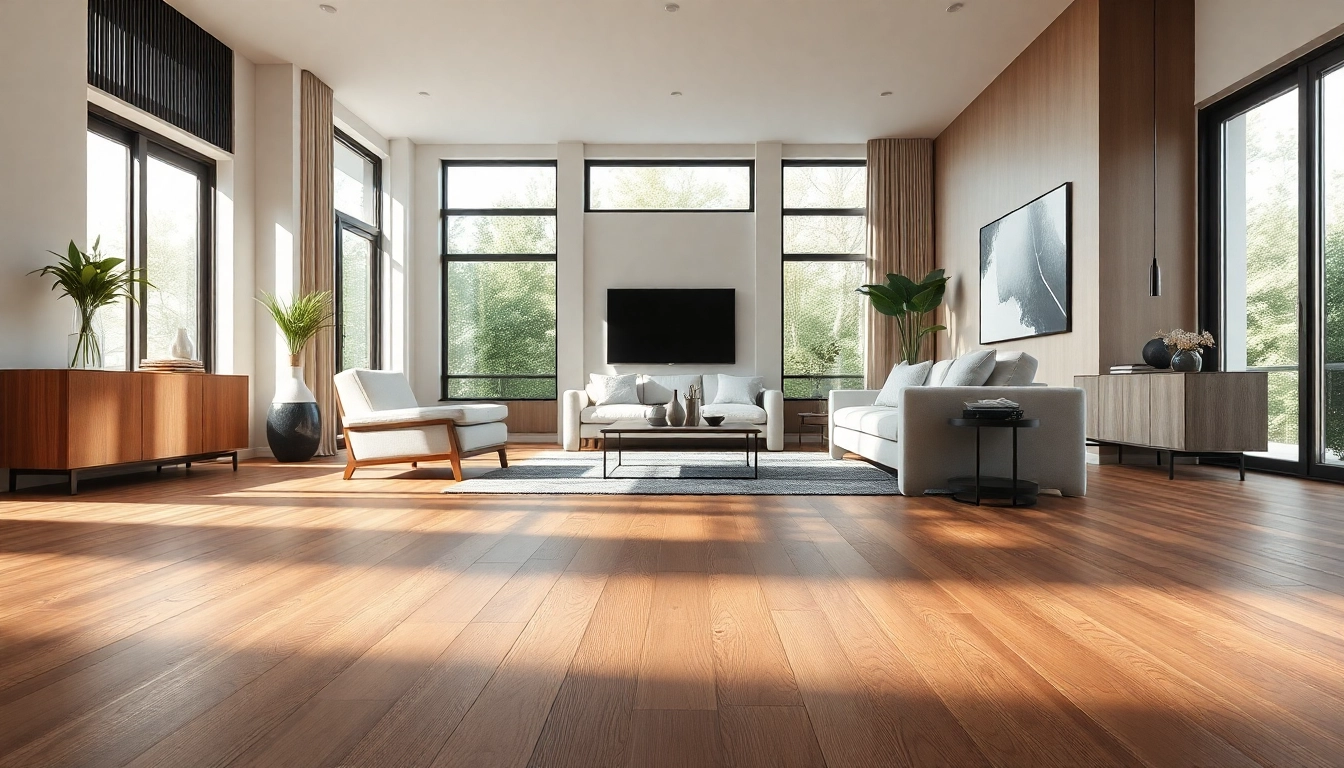
- Wood Look: Mimicking various species of wood, including oak, hickory, and cherry, these styles retain the appearance of natural wood while being more practical.
- Stone and Tile Look: LVP can also replicate natural stone and tile, offering a sophisticated finish ideal for modern or rustic interiors.
- Textured Finishes: Available in smooth to heavily textured options, these finishes add depth and interest to any room.
- Customizable Options: Many suppliers offer customization in widths, lengths, and colors, allowing for personalized designs.
Installation of Waterproof LVP Flooring
Preparation for Installation
Before diving into the installation process, proper preparation is essential. Start by measuring your space to determine the quantity of flooring needed, accounting for waste and cuts. Ensure the subfloor is clean, dry, and level; this might involve removing existing flooring material and utilizing a leveling compound where necessary. It’s also crucial to allow the LVP planks to acclimate in the installation area for 48 hours before installation. This step helps avoid any expansion or contraction once installed.
Step-by-Step Installation Guide
- Gather Materials: Ensure you have all necessary tools, including a utility knife, measuring tape, and a tapping block.
- Start with the First Row: Begin by laying the first row against the wall, using spacers to maintain an expansion gap.
- Click and Lock: Proceed to click the following planks into place, ensuring they are securely locked.
- Continue Rows: Repeat this process, working your way across the room. Stagger the end joints for a more natural look.
- Finalize and Clean: Once installed, remove spacers and reinstall baseboards or trim to complete the look. Ensure the area is free from debris.
Common Installation Mistakes to Avoid
Even a straightforward process can lead to troubles if you overlook specific details. Here are some common mistakes to keep in mind:
- Neglecting Acclimation: Failing to acclimate planks can lead to buckling after installation.
- Skipping Subfloor Preparation: An uneven or dirty subfloor can affect the performance and longevity of your flooring.
- Poor Expansion Gaps: Not leaving enough space around the perimeter for expansion can result in damaged planks.
- Inadequate Staggering: Aligning seams can weaken the overall integrity of the installation.
Maintenance Tips for Waterproof LVP Flooring
Daily Cleaning Best Practices
Maintaining your waterproof LVP flooring is key to ensuring its longevity and appearance. Daily cleaning should involve sweeping or vacuuming to remove dirt and debris, followed by mopping with a damp mop and a manufacturer-approved cleaner. Avoid using abrasive materials or harsh chemicals that can dull the finish.
Dealing with Stains and Scuffs
Accidents happen, and knowing how to effectively deal with stains and scuffs will help maintain your flooring’s aesthetic. For minor stains, using a soft cloth and a small amount of mild detergent typically suffices. For tougher stains, creating a paste from baking soda and water may help lift the blemish without damaging the surface.
Long-Term Care Strategies
Preventive measures can prolong the life of your waterproof LVP flooring. Use furniture pads under heavy pieces to prevent indentation and place mats at entrances to catch dirt and moisture. Regularly inspect the flooring for loose planks or other signs of wear, addressing issues early to avoid more significant repairs down the line.
Comparing Waterproof LVP Flooring to Other Flooring Options
Waterproof LVP vs. Hardwood Flooring
While hardwood flooring boasts natural beauty and character, it is susceptible to moisture and requires significant maintenance. In contrast, waterproof LVP flooring is designed to resist water, making it an optimal choice for humid environments. Additionally, LVP is typically more budget-friendly both in initial costs and upkeep when compared to hardwood.
Waterproof LVP vs. Tile Flooring
Tile flooring is celebrated for its waterproof capabilities and durability. However, it can be cold and hard underfoot, while waterproof LVP offers greater comfort. The installation process for LVP is more straightforward, often resulting in lower labor costs compared to tile installation.
Cost Comparison: Waterproof LVP vs. Alternatives
When assessing costs, waterproof LVP flooring frequently provides excellent value. Depending on quality and installation methods, LVP can range from moderately priced to premium options. Comparatively, traditional hardwood and high-end tile tend to be pricier and come with higher installation costs.
FAQs About Waterproof LVP Flooring
Is waterproof LVP flooring truly waterproof?
Yes, waterproof LVP flooring is designed to be entirely waterproof, making it ideal for moisture-prone areas such as bathrooms and kitchens.
Can I install waterproof LVP flooring myself?
Yes, many waterproof LVP flooring options come with a click-lock installation system that allows for DIY installation, saving on labor costs.
What maintenance does waterproof LVP flooring require?
Regular maintenance includes sweeping, damp mopping, and attending to spills promptly, along with using manufacturers’ approved cleaning solutions.
How does waterproof LVP flooring compare in cost to other materials?
Waterproof LVP flooring is generally more affordable than hardwood and stone flooring, both in materials and installation.
What styles are available for waterproof LVP flooring?
There is a wide range of styles for waterproof LVP flooring, including looks that mimic wood, stone, and tile, with various textures and colors to choose from.