Understanding the Cape Cod Home Style
The cape cod home style evokes images of quaint coastal retreats, characterized by their charming simplicity and functional design. Originating in New England, this architectural style has transcended time due to its timeless appeal, blending neatly into both rural and urban landscapes. As we delve into the intricacies of this iconic design, we’ll explore its defining characteristics, the advantages of expanding these homes, especially with the addition of garages, and what makes them so beloved.
Characteristics of Cape Cod Architecture
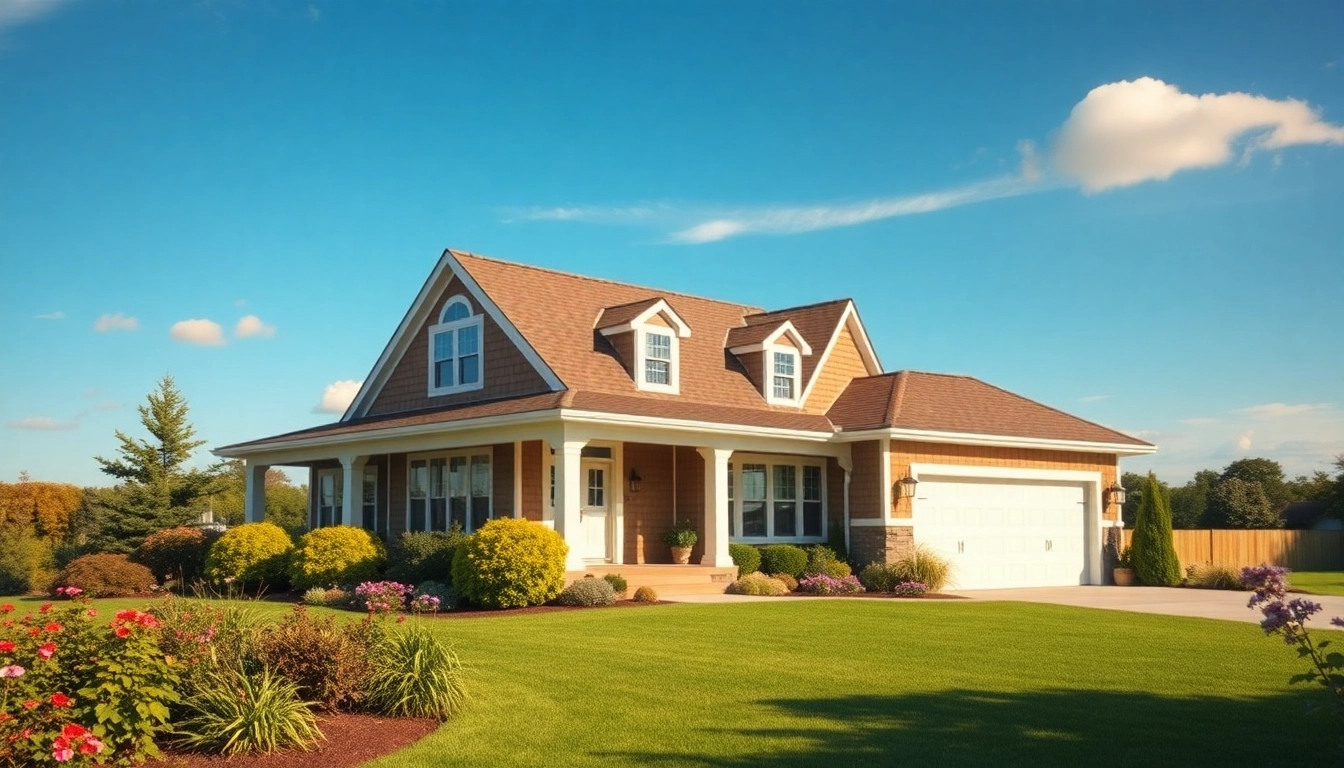
Typically, Cape Cod homes are recognized for their steeply pitched roofs, dormer windows, and symmetrical facades. These features not only enhance their aesthetic charm but also provide practical benefits. The steep roof allows for efficient snow runoff and maximizes living space in the upper levels.
Constructed primarily from wood, with clapboard siding painted in soft hues, these homes often exude a rustic, warm ambiance. The windows are generally double-hung, which contributes to their symmetry and classic look, while shutters are frequently added for a finishing touch. Furthermore, the layout typically adheres to a straightforward rectangular shape, promoting space efficiency and ease of flow.
Home Enhancement: Adding Garages
Modern homeowners often seek to enhance their cape cod home by incorporating functional spaces such as garages. This not only adds convenience but can also boost the home’s value significantly. Garage additions can be seamlessly integrated into the existing architecture, ensuring that the exterior still maintains its original charm.
Various styles exist for garage extensions, from separate structures that evoke a classic barn feel to attached garages that create a cohesive look. Homeowners are encouraged to plan meticulously, considering the garage’s size and placement, as these factors can dramatically influence functionality and aesthetics.
Benefits of Cape Cod Homes
The allure of Cape Cod homes lies not only in their appearance but also in their benefits. First, the simplicity of their design facilitates ease of construction and maintenance, making them a favorable option for many. Moreover, their energy efficiency is notable, largely due to their compact layout and inherent insulation properties.
This architectural style tends to be budget-friendly in terms of heating during colder months. Additional benefits include their adaptability; as families grow or lifestyle needs change, these homes can be expanded or remodeled with relative ease, particularly when considering expansions like garages.
Planning Your Cape Cod Home Expansion
When embarking on an expansion project, careful planning is essential. Whether considering the addition of a garage or other living spaces, adherence to the original design ethos of the cape cod home is crucial. This commitment to aesthetic integrity helps preserve the charm and appeal of the home.
Key Considerations for Design
Prior to commencing a project, relevant local zoning laws and building codes should be considered to ensure compliance. Conducting a thorough assessment of the intended expansion’s impact on the existing structure is also vital. For guidance, homeowners can consult with professionals, who can provide insights on how to achieve a balanced integration that respects the home’s character.
Additionally, understanding the landscape and physical environment surrounding the property can influence design choices. For example, incorporating natural materials can help harmonize the expansion with the existing home while enhancing its overall ambiance.
Space Optimization Techniques
In a world where space is often at a premium, optimizing available space becomes essential. An effective strategy might be to consider vertical expansions, such as a second story, which can provide additional living space without expanding the home’s footprint. This is particularly beneficial in urban areas where land is limited.
Another technique involves integrating multi-functional furniture, especially within smaller spaces. For instance, a loft area can serve as a bedroom but could also be designed as a home office or play area, maximizing utility while minimizing clutter.
Harmonizing Garage Design
When expanding a cape cod home with a garage, harmonizing its design with the original structure is paramount. This can involve aligning the garage’s roof pitch, materials, and architectural details with those of the home itself. Such considerations ensure that the garage complements rather than detracts from the house’s curb appeal.
Homeowners can also think creatively about garage facades, using them as an opportunity for artistic expression through choices in paint, door designs, and even landscaping around the entrance. This thoughtful approach contributes not just to aesthetics, but to overall property value as well.
Materials and Construction for Cape Cod Homes
Choosing appropriate materials is critical in maintaining the integrity and charm of a cape cod home. The selections made can define not only the home’s aesthetics but also its durability and environmental impact.
Choosing the Right Materials
Traditionally, Cape Cod homes are built with natural materials including wood, stone, and brick, all of which perform well in the coastal climate. The latest advancements in building materials, such as composite siding, might offer a weather-resistant alternative that complements the traditional aesthetic while providing low maintenance.
Additionally, roofing choices should align with the historical character of the home while ensuring longevity against environmental elements. Metal roofs have become increasingly popular due to their durability and sustainability, while asphalt shingles provide a more classic appearance.
Eco-friendly Building Practices
Embracing eco-friendly practices in building can greatly enhance the sustainability of a cape cod home. Utilizing reclaimed materials or sourcing locally manufactured products reduces carbon footprints significantly. Furthermore, choosing energy-efficient appliances and lighting can contribute to the home’s overall ecological footprint.
Incorporating elements like rain barrels for water collection and solar panels for energy needs can also augment the home’s sustainability. Such installations not only serve to protect the environment, but can also reduce utility costs significantly over time.
Traditional vs. Modern Techniques
Understanding the balance between traditional and modern techniques is crucial in preserving the authenticity of a cape cod home. While traditional methods focus primarily on craftsmanship and the use of local materials, modern techniques may offer new efficiencies and innovations in design.
Harmonizing these practices often requires expertise in both traditional craftsmanship and contemporary design principles. The result can be a blend that respects the home’s heritage while providing the conveniences and efficiencies expected by today’s homeowners.
Interior Design Ideas for Your Cape Cod Home
The interior of a cape cod home should reflect the same warmth and charm as its exterior. Thoughtful design choices can enhance functionality while creating a cozy atmosphere that invites both family and friends.
Creating a Cozy Atmosphere
Achieving a cozy atmosphere often begins with the right lighting. Incorporate a blend of natural light, warm shades, and strategically placed fixtures to create an inviting ambiance. Additionally, textiles play a significant role; utilizing natural fabrics in soft color palettes can add warmth and texture to spaces.
Incorporating elements from nature, such as exposed beams or wooden floors, can also enhance warmth. Layering different materials—wood, stone, and fabric—creates an inviting tactile experience.
Color Schemes that Inspire
The choice of color is critical in defining the mood within a cape cod home. Soft blues and greens, reminiscent of the coastal environment, can evoke tranquility, while off-whites and creams contribute to a spacious feel. Accents in more vibrant colors can add personality and energy to the overall design.
Consider using paint or wallpaper with nautical motifs or patterns that reflect the coastal heritage of Cape Cod; this can introduce visual interest without overwhelming the space.
Integrating Modern Amenities
Modern amenities are essential in a developing lifestyle. Kitchens serve as the heart of any home, so incorporating smart appliances and open-concept designs can enhance both functionality and social interaction. While integrating technology, it’s vital to preserve the aesthetic value; appliances should blend harmoniously with cabinetry and exist without detracting from the overall charm.
Bathrooms too can serve as luxurious retreats by combining modern fixtures with classic design elements, such as marble finishes or clawfoot tubs that pay homage to traditional styles.
Maintaining Your Cape Cod Home
Proper maintenance is key to sustaining both value and charm in a cape cod home. A proactive approach to upkeep ensures that the integrity of materials and structures remains intact for years to come.
Year-Round Maintenance Checklist
Seasonal maintenance tasks should be systematically addressed throughout the year. In spring, focus on cleaning gutters, inspecting roofing, and checking for any damage caused by snow or ice. In summer, mulch gardens and inspect decks and porches for wear. Autumn is ideal for raking leaves and winterizing pipes, while winter should include regular shoveling and checking heating systems.
A thorough year-round checklist will help in addressing potential issues before they escalate and ensure that your home continues to flourish.
Energy Efficiency Tips
Improving energy efficiency in a cape cod home can lead to significant savings on utility bills. Start by ensuring proper insulation, especially in attics and basements. Regularly checking for drafts around doors and windows can also help maintain energy efficiency; weather stripping or caulking may be required.
Upgrading to Energy Star-rated appliances can make a substantial difference; these appliances use less energy while delivering high performance, reducing environmental impact and costs simultaneously.
Common Repair Issues and Solutions
Common repair issues in Cape Cod homes often arise from exposure to the coastal elements. Cracked siding, drafts, and roofing issues can frequently occur. Regular inspections can help in identifying and addressing these concerns early on. For siding repairs, painting or sealing can preserve its lifespan, while drafts may be eliminated through simple fixes, such as improved sealing techniques.
In the event of significant issues, consulting with a professional may be necessary to ensure proper repairs and adherence to building codes. Regular maintenance is key to circumventing more extensive problems down the line.
Frequently Asked Questions
What is distinctive about Cape Cod homes?
Cape Cod homes are known for their steep roofs, dormer windows, and simple yet effective designs, embodying both practicality and aesthetic charm.
Why should I consider adding a garage?
An attached garage provides convenience, increases storage space, and can enhance the overall value of your cape cod home.
How can I maintain energy efficiency?
Simple fixes like insulating properly, checking for drafts, and upgrading to energy-efficient appliances can significantly improve your home’s energy efficiency.
Can I modernize my Cape Cod home?
Yes, integrating modern amenities while respecting the home’s traditional aesthetic is completely achievable through thoughtful renovations and design choices.
What maintenance do Cape Cod homes require?
Regular inspections, seasonal maintenance, and timely repairs are essential to keep a Cape Cod home in optimal condition, ensuring durability and charm.