
Understanding Bed Bugs: A Comprehensive Overview
What are Bed Bugs?
Bed bugs are small, parasitic insects that feed on the blood of their hosts, which typically include humans. They belong to the Cimex genus and are known scientifically as Cimex lectularius. Adult bed bugs are approximately 1/4 inch long, oval-shaped, and brownish in color. While they do not transmit diseases, their bites can cause significant discomfort, leading to itching and allergic responses in some individuals. Their small size and nocturnal behavior make them adept at hiding in a range of locations, making identification and eradication a challenge.
Signs of a Bed Bug Infestation
Identifying bed bugs in your home can be tricky, but certain signs can indicate an infestation:
- Visible bed bugs or their shed skins in crevices of upholstered furniture and bedding.
- Rusty or dark spots on sheets or mattresses from crushed bed bugs.
- Eggs or eggshells that are tiny and white, often found in common hiding spots.
- An unpleasant, musty odor in the infested area, often described as a sweet smell.
Health Risks Associated with Bed Bugs
While bed bugs are not known to transmit diseases, their presence can lead to various health issues. The bites can cause significant itching and discomfort, which may result in secondary infections from scratching. Additionally, individuals may suffer from anxiety or insomnia due to the stress of dealing with an infestation. In some cases, a severe allergic reaction may lead to significant swelling, requiring medical attention. It’s essential therefore to understand these potential impacts and consider a proactive approach, such as involving a bed bug exterminator.
The Role of a Bed Bug Exterminator
How Bed Bug Exterminator Services Work
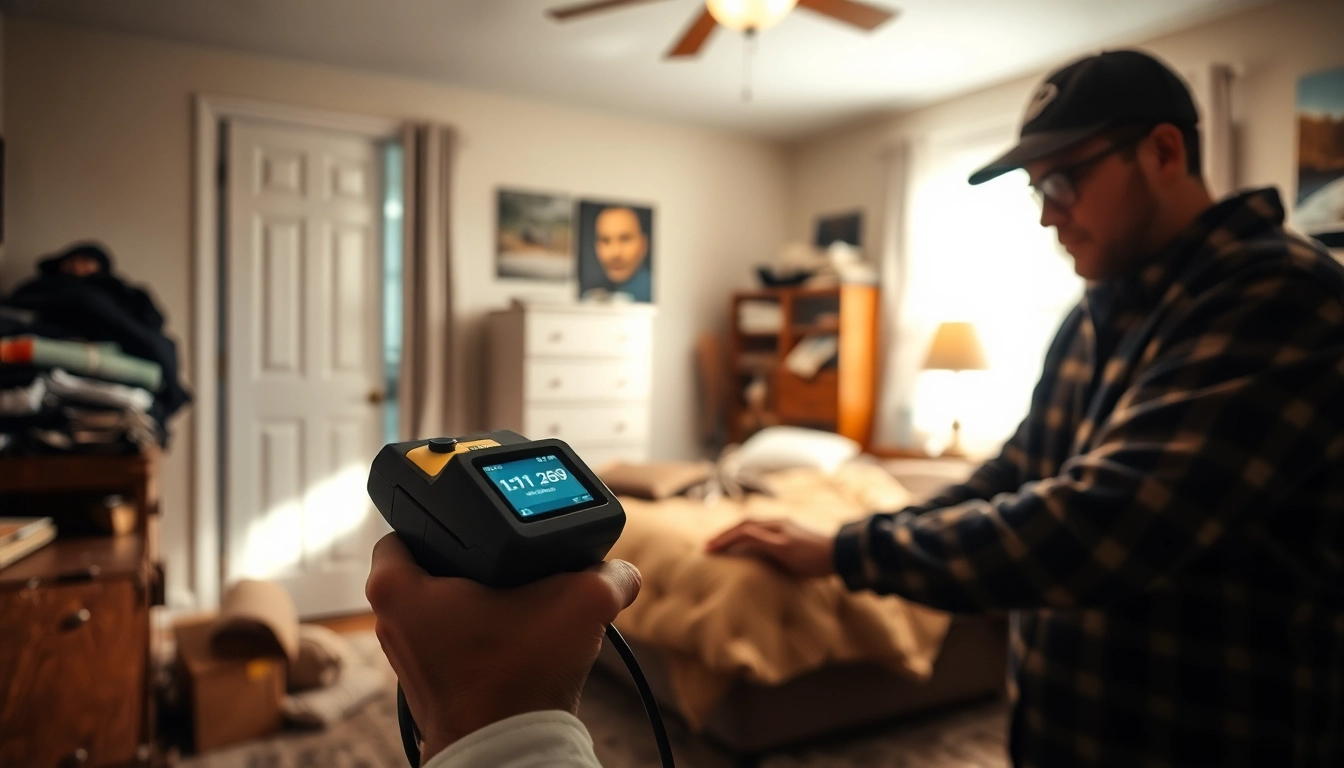
Bed bug extermination involves a systematic approach to eliminate the pests effectively. When you hire a professional, the first step typically includes a thorough inspection of your home to identify the extent of the infestation. Exterminators use various tools and methods, including heat treatments, chemical sprays, and traps, to target bed bugs at all life stages from eggs to adults. The exterminators then develop a customized plan tailored to the severity of the infestation and the unique environment of your home.
Benefits of Hiring a Professional Bed Bug Exterminator
Engaging a professional exterminator offers numerous advantages:
- Expertise: Professional exterminators are trained and experienced in identifying and treating bed bug problems.
- Efficiency: They utilize a range of effective treatments, often yielding quicker results than DIY methods.
- Safety: Professionals know how to handle pesticides and treatments safely to minimize risk to your family and pets.
- Long-Term Solutions: They can provide advice on preventing future infestations, not just addressing the current problem.
Choosing the Right Bed Bug Exterminator for Your Needs
Selecting an appropriate exterminator requires careful consideration. Look for licensed and certified professionals with positive customer reviews and testimonials. It’s also helpful to assess their methods for treatment. Ensure they provide a thorough inspection and a guarantee of their work. Asking for referrals from friends or searching online reviews can also aid in making an informed decision.
Common Bed Bug Treatment Methods
Heat Treatment by Bed Bug Exterminator
Heat treatment is one of the most effective methods for eradicating bed bugs. This process raises the temperature in a room to a level lethal to bed bugs, usually around 120 degrees Fahrenheit. The heat penetrates surfaces where bed bugs hide, including mattresses, carpets, and furniture, effectively killing them at all life stages. This method is particularly advantageous as it avoids the use of chemical pesticides, though it may require preparation to protect heat-sensitive items in your home.
Chemical Treatments Explained
Chemical treatments involve the application of insecticides to targeted areas where bed bugs are likely to hide. Exterminators use various formulations that can include residual sprays that provide long-lasting effects, and contact sprays that kill instantly. It’s essential that these chemicals are applied by professionals who are trained to use them safely and effectively while following local regulations and environmental guidelines.
Integrated Pest Management Techniques
Integrated Pest Management (IPM) combines multiple strategies to eliminate pests effectively while minimizing risks to human health and the environment. This approach may include sanitation measures, behavioral modifications, and regular monitoring, in addition to chemical and heat treatments. A bed bug exterminator may focus on prevention techniques such as sealing cracks and crevices, vacuuming regularly, and removing clutter to limit bed bug habitats.
Preventing Bed Bug Reinfestation
Best Practices for Homeowners
Preventing reinfestation of bed bugs is critical once the pests have been eliminated. Here are best practices homeowners should consider:
- Regularly vacuum and check sleeping areas and furniture.
- Keep clutter at a minimum, as it provides hiding places for bed bugs.
- Use protective covers on mattresses and box springs to prevent bed bugs from entering or escaping.
- Regularly wash and heat-dry bedding, linens, and clothing.
How to Protect Your Belongings on Travel
Traveling can expose you to bed bugs, so it’s crucial to take precautions. Inspect hotel rooms for signs of bed bugs upon arrival, especially in the bed and surrounding areas. Keep luggage off the floor and use luggage racks. When returning home, immediately launder clothing and inspect your luggage before bringing it inside your living space.
Long-term Maintenance Tips from a Bed Bug Exterminator
To maintain a bed bug-free home, regular checks and professional inspections are advisable, particularly after traveling or acquiring used furniture. Prevention is key, and consulting with a professional exterminator for advice on best practices can greatly mitigate risks.
Frequently Asked Questions (FAQs)
How do I permanently get rid of bed bugs in my house?
To permanently eliminate bed bugs, hire a professional exterminator who uses comprehensive strategies, including heat and chemical treatments. Consistent monitoring and preventive measures are crucial to avoid reinfestation.
What should I expect during a bed bug extermination service?
During an extermination service, expect a thorough inspection, treatment application, and guidance on preparation steps for your home. The process usually takes several hours and may include follow-up visits.
Are bed bug treatments safe for children and pets?
Most professional treatments are safe when applied correctly. However, it’s essential to follow the exterminator’s guidance regarding when it’s safe to reenter treated areas, especially for children and pets.
How much does a bed bug exterminator typically cost?
The cost of hiring a bed bug exterminator can vary widely from $500 to $5,000, depending on the size of the infestation and the treatment methods used. Generally, expect to pay around $800 to $1,000 per room.
Can I treat bed bugs on my own without a bed bug exterminator?
While DIY methods exist, they may not be as effective as professional treatments. It’s often challenging to eliminate bed bugs completely without specialized knowledge and tools. Hiring a professional is usually recommended.