
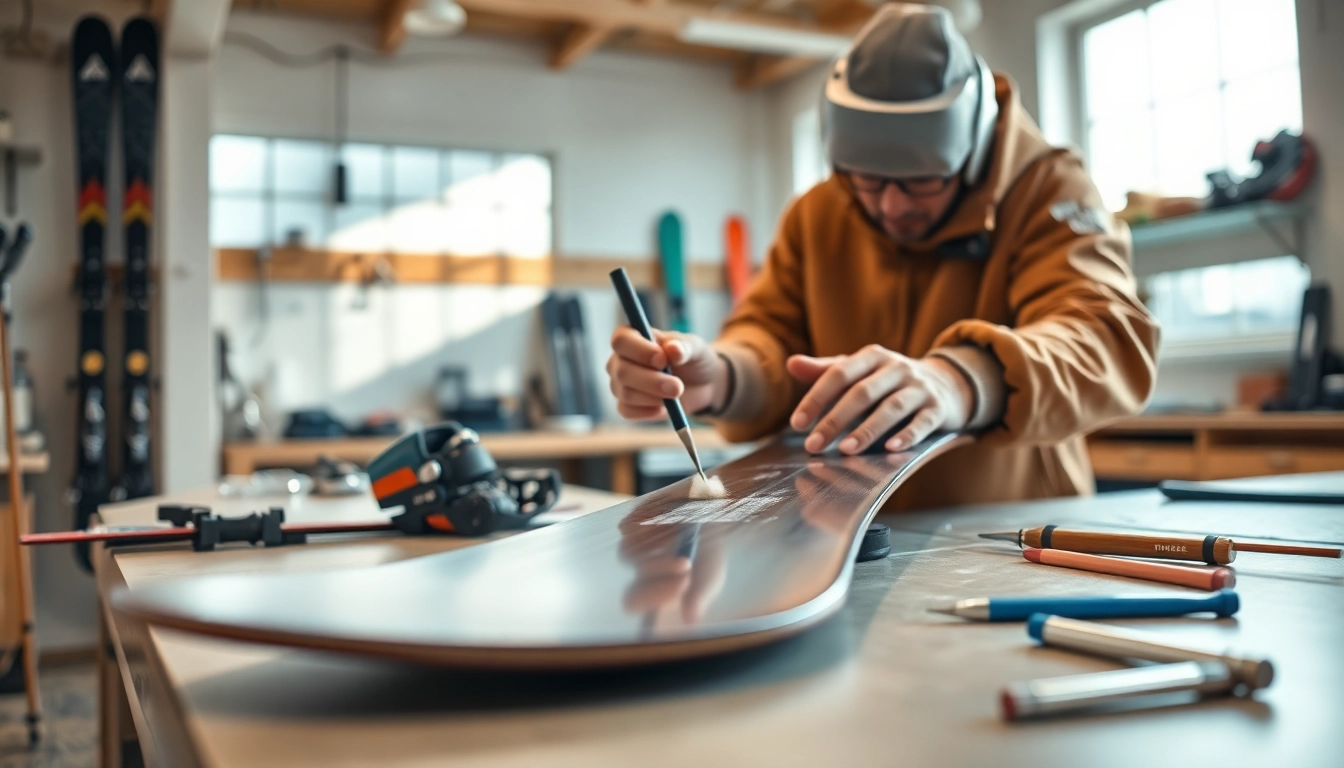
Understanding Ski Scratch Repair Basics
What is Ski Scratch Repair?
Ski scratch repair refers to the process of fixing superficial and deep scratches on skis that can affect their performance and lifespan. Whether caused by rocks, debris, or other skis during use, addressing these scratches is vital to ensure that the ski base remains smooth and functional. Ignoring these damages can lead to water infiltrating the porous areas, potentially causing further deterioration over time. Therefore, learning how to manage and repair these scratches effectively is crucial for any skiing enthusiast.
Common Causes of Ski Damage
Understanding the common causes of ski damage is essential for effective ski scratch repair. Skis can become scratched from various sources, including:
- Rocks and Debris: Encountering rocks or other debris on the slopes can create deep scratches in the ski base.
- Collisions: Colliding with other skiers or objects on the slope can lead to surface-level abrasions that may require repair.
- Transportation Damage: Improperly storing or transporting skis can cause scratches and gouges.
- Poor Maintenance: Skis that aren’t regularly maintained may accumulate scratches over time due to wear and exposure.
Signs That Your Skis Need Repair
Knowing when your skis need repair is crucial for maintaining optimal performance. Look for the following signs:
- Visible Scratches: Any noticeable scratches or gouges on the base should be addressed.
- Decreased Performance: If skis feel sluggish or unresponsive, it may be due to surface damage.
- Water Infiltration: If water pools in scratches, professional repair may be necessary to prevent further damage.
- Noise While Skiing: Unusual sounds while skiing can indicate underlying damage needing attention.
Tools and Materials Needed for Ski Scratch Repair
Essential Repair Tools
To perform ski scratch repair effectively, having the right tools is essential. Here are some recommended tools:
- Metal Scraper: For removing any debris or old repair material prior to application.
- Iron: A waxing iron is crucial for melting repair materials into the ski base.
- File or Edge Tool: To smooth out the edges of the repair and ensure a flat surface.
- Brush: A nylon brush helps in polishing the ski base after repair.
- Heat Gun: Useful for more advanced repairs requiring specific application techniques.
Recommended Repair Materials
Choosing the right repair materials is just as crucial as having the proper tools. Here are some commonly recommended materials:
- P-Tex Rods: These are the primary material used for filling in scratches and gouges.
- Wax: A good-quality ski wax is essential for protecting the base and improving glide.
- Base Repair Compounds: Specialized glues or compounds can be used for deeper scratches.
- Grit Sandpaper: Finishing sandpaper helps smooth out any uneven surfaces post-repair.
Safety Precautions During Repairs
Prioritizing safety while conducting ski repairs is essential. Here are some safety guidelines to follow:
- Ventilation: Always work in a well-ventilated area when using adhesives or strong-smelling materials.
- Protective Gear: Use gloves and protective eyewear to prevent injuries.
- Hot Tools: Be cautious when using hot tools like the waxing iron to avoid burns.
Step-by-Step Guide to Ski Scratch Repair
Preparation of the Damaged Area
Proper preparation is key to successful ski scratch repair. Follow these steps:
- Clean the Area: Use a metal scraper to remove any debris around the scratch.
- Assess Damage: Determine whether the scratch is superficial or deep to choose the right repair method.
- Sand the Scratch: Gently sand the area surrounding the scratch to create a smooth base for the repair material to adhere.
Applying the Repair Material
Once the area is prepared, it’s time to apply the repair material:
- Heat the P-Tex Rod: Light the end of a P-Tex rod and allow it to melt.
- Fill the Scratch: Apply the melted P-Tex into the scratch, using enough to slightly overfill the area.
- Let it Cool: Allow the material to cool and harden for adequate adhesion.
Finishing Touches and Quality Check
After applying the repair material, finishing touches ensure the ski performs well:
- Trim Excess Material: Use a metal scraper to smooth the excess P-Tex, ensuring it is level with the ski base.
- Sand the Area Smooth: Use fine sandpaper to create a seamless finish.
- Inspect the Repair: Check for any remaining rough edges or imperfections and correct them as needed.
Maintenance Tips Post-Ski Scratch Repair
How to Care for Repaired Skis
Once your skis have been repaired, proper care is vital for longevity. To maintain your repaired skis:
- Regular Waxing: Regularly wax your skis to maintain a protective layer over repairs.
- Clean After Use: Wipe down skis after each use to remove dirt and debris.
- Store Properly: Store your skis in a cool, dry place to avoid humidity damage.
Preventive Measures for Future Damage
Preventing future scratches can save time and money. Consider the following preventive measures:
- Avoid Rocky Areas: Steer clear of rocks and debris whenever possible while skiing.
- Use Ski Protectors: Investing in ski guards can protect the bases during transport.
- Regular Maintenance: Schedule regular maintenance checks to catch issues before they worsen.
When to Seek Professional Help
While many repairs can be done at home, some situations call for professional intervention:
- Extensive Damage: If the base is significantly damaged or delaminating.
- Blistering or Cracking: Signs of more serious impairments that require specialized tools.
- Lack of Experience: If you are unsure about performing the repair yourself.
Frequently Asked Questions about Ski Scratch Repair
How long does ski scratch repair take?
Depending on the extent of the damage, ski scratch repairs can take anywhere from 30 minutes to several hours, including drying time.
Can I repair my skis at home?
Yes, with the right tools and materials, many ski owners can successfully repair scratches at home.
What products are best for ski scratch repair?
Commonly recommended products include P-Tex rods and high-quality ski wax for optimal repairs.
How can I prevent scratches on my skis?
Avoid rocky areas, use ski protectors during transport, and regularly maintain your skis for optimal performance.
When should I replace my skis instead of repairing?
If the skis show extensive delamination or damage beyond superficial scratches, replacement may be the better option.