
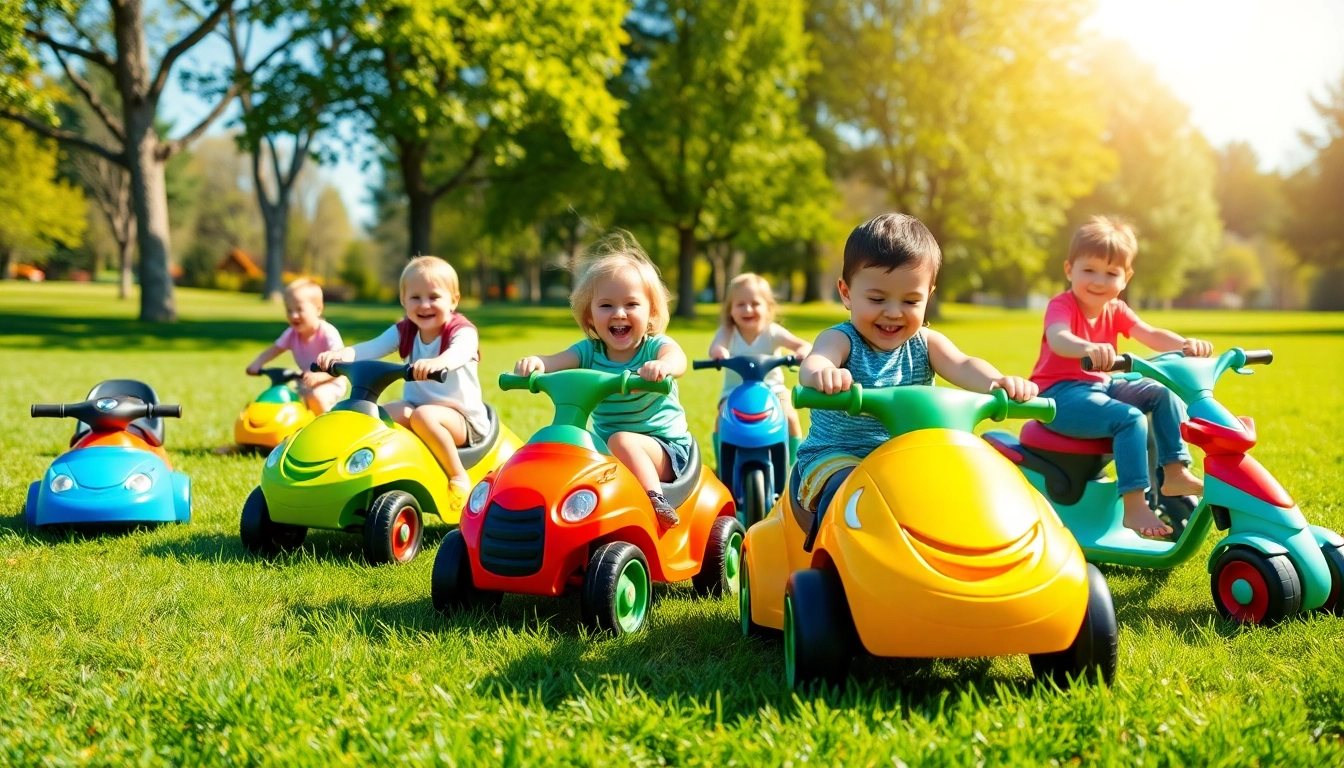
Introduction to Ride on Toys
Promoting physical activity, imaginative play, and motor skill development, ride on toys have become a staple in many children’s playrooms. These engaging toys allow kids to explore their environment while enjoying the thrill of movement. Whether they are cruising around the backyard or zipping through the living room, the benefits of ride on toys extend far beyond mere entertainment. In this comprehensive guide, we will delve into what ride on toys are, the various types available, their benefits, and tips for selecting the right ones for your little ones.
The Definition of Ride on Toys
Ride on toys are specially designed vehicles that children can sit on and propel themselves using their legs or by using a motor. These toys come in various forms, including tricycles, scooters, and battery-operated cars, each tailored for different age groups and skill levels. Typically designed for toddlers to preschoolers, ride on toys provide an interactive way for young children to develop important physical and social skills while having a fun experience.
Benefits of Play with Ride on Toys
Ride on toys offer a myriad of benefits that extend to several areas of a child’s development. Firstly, they encourage physical activity, promoting cardiovascular health and building muscle strength as children push, pedal, or scoot around. Secondly, they enhance coordination and balance, crucial skills that will benefit children in various sports and daily activities. Moreover, ride on toys foster imaginative play, allowing children to role-play scenarios while enhancing social skills when playing with peers.
Additionally, ride on toys can improve cognitive skills as children navigate their environment, learning about distances, spatial awareness, and cause-and-effect relationships through exploration and play.
Types of Ride on Toys Available
There is a wide variety of ride on toys catering to different age groups, interests, and developmental needs:
- Pedal Toys: These include tricycles and balance bikes that require children to use their legs to propel themselves, promoting leg strength and coordination.
- Push Toys: Ideal for younger children, push toys are designed for toddlers who are still mastering balance and coordination. These often have a sturdy base and a handle for pushing.
- Electric Ride On Cars: Battery-operated vehicles that allow children to drive themselves, typically featuring realistic designs and sound effects.
- Classic Ride On Toys: Often styled as cars, animals, or other engaging shapes, these toys allow for imaginative play and help develop motor skills.
- Ride On Rockers: These toys provide a rocking movement and are often shaped like animals or vehicles, offering a fun, engaging way for younger children to play.
Choosing the Right Ride on Toys
Selecting the ideal ride on toy for a child involves evaluating multiple factors. By considering safety, durability, and child-specific features, parents can make informed choices that enhance playtime experiences.
Age Appropriateness and Safety
When choosing a ride on toy, age appropriateness is crucial. Ride on toys are designed with specific weight limits and heights to ensure a safe ride. It’s essential to adhere to the manufacturer’s age recommendations—most ride on toys are suitable for children between one to five years old. Additionally, always inspect the safety features, such as non-slip pedals, rounded edges, and secure seat belts in electric models.
Parents should also supervise children during playtime, ensuring they are using the toy correctly and in a safe environment, free from hazards.
Durability and Material Quality
Durability is another important factor to consider when selecting ride on toys. Kids are known for their energetic play, so selecting toys made from high-quality, non-toxic materials ensures they can withstand rough handling. Common materials include sturdy plastic and metal frames. Always check for certifications indicating safety standards compliance. Investing in a more robust option may lead to a longer lifespan, ultimately providing better value to the family.
Features to Look For
Today’s ride on toys come equipped with various exciting features that enhance playtime. Look for attributes such as:
- Adjustable Seating: Allows the toy to grow with the child, extending the lifespan of the product.
- Storage Compartments: Some designs include storage areas where children can carry their toys or snacks.
- Interactive Elements: Features like music, sounds, and lights can enhance engagement and provide sensory stimulation.
- Easy Mobility: A well-designed ride on toy should be easy for the child to maneuver, promoting independent play.
Enhancing Playtime Experiences
While ride on toys inherently offer fun, there are ways parents and caregivers can enhance play experiences to maximize their benefits.
Creative Play Ideas with Ride on Toys
Encourage imaginative play by creating themes or scenarios for children to enact while they ride. For instance, a child could pretend to be a delivery driver, bringing items from one room to another, or a race car driver competing against friends. Incorporating props such as traffic cones or road signs can turn a simple ride into a thrilling adventure filled with creativity.
Incorporating Ride on Toys into Family Activities
Ride on toys can also bring the family together. Organize a mini obstacle course in the backyard, using various challenges to navigate. Family weekends can include outdoor rides in local parks or around the neighborhood, promoting exercise and bonding among family members. Events like a family race day can also introduce friendly competition while encouraging physical activity.
Setting Up Safe Play Areas
Ensure a safe environment for children to enjoy their ride on toys by designating specific play areas. If playing indoors, maintain ample room to prevent collisions and falls. For outdoor play, a flat, grassy area is ideal, but avoid places with sharp objects or uneven surfaces. Moreover, make sure to clear the area from debris and optimize visibility, enabling parents to supervise effectively.
Maintaining and Caring for Ride on Toys
Proper maintenance is key to extending the life of ride on toys and ensuring children’s safety while using them.
Cleaning and Maintenance Tips
Regular cleaning is essential for ride on toys. Use mild soap and warm water to clean surfaces while avoiding harsh chemicals that can damage toys. Pay special attention to crevices where dirt can accumulate. After cleaning, ensure the toy is completely dry before storing it to prevent mold and mildew.
Storage Solutions for Ride on Toys
Effective storage is crucial, especially in households with limited space. Consider designated areas for storing ride on toys to keep them organized and easily accessible. Hooks, shelves, or bins can provide solutions to keep toys tidy. Alternatively, invest in collapsible or stackable options for easy storage when not in use.
Checking Safety Features Regularly
Routine inspections are vital to ensure ride on toys are in good condition. Every month, check for loose parts, signs of wear and tear, and any components that require lubrication. Ensure safety features, like seat belts and brakes on electric ride on cars, function properly. Keeping track of maintenance schedules helps prevent unexpected accidents.
Frequently Asked Questions about Ride on Toys
What age are ride on toys suitable for?
Ride on toys are suitable for children typically aged one to five years, but age recommendations vary by design. Always refer to the manufacturer’s guidelines.
How can I ensure my child’s safety with ride on toys?
Ensure safety by supervising play, checking weight limits, examining safety features, and choosing age-appropriate toys to minimize risks.
What materials are best for ride on toys?
High-quality, non-toxic materials such as sturdy plastic and metals are ideal for ride on toys. They should meet safety standards to guarantee child safety.
How do I maintain ride on toys?
Regularly clean the toys, check for loose parts, and conduct monthly inspections to ensure they are in good working condition and safe for play.
Can ride on toys be used indoors?
Yes, ride on toys can be used indoors, but make sure the area is spacious and free from obstacles to avoid accidents and injuries.