
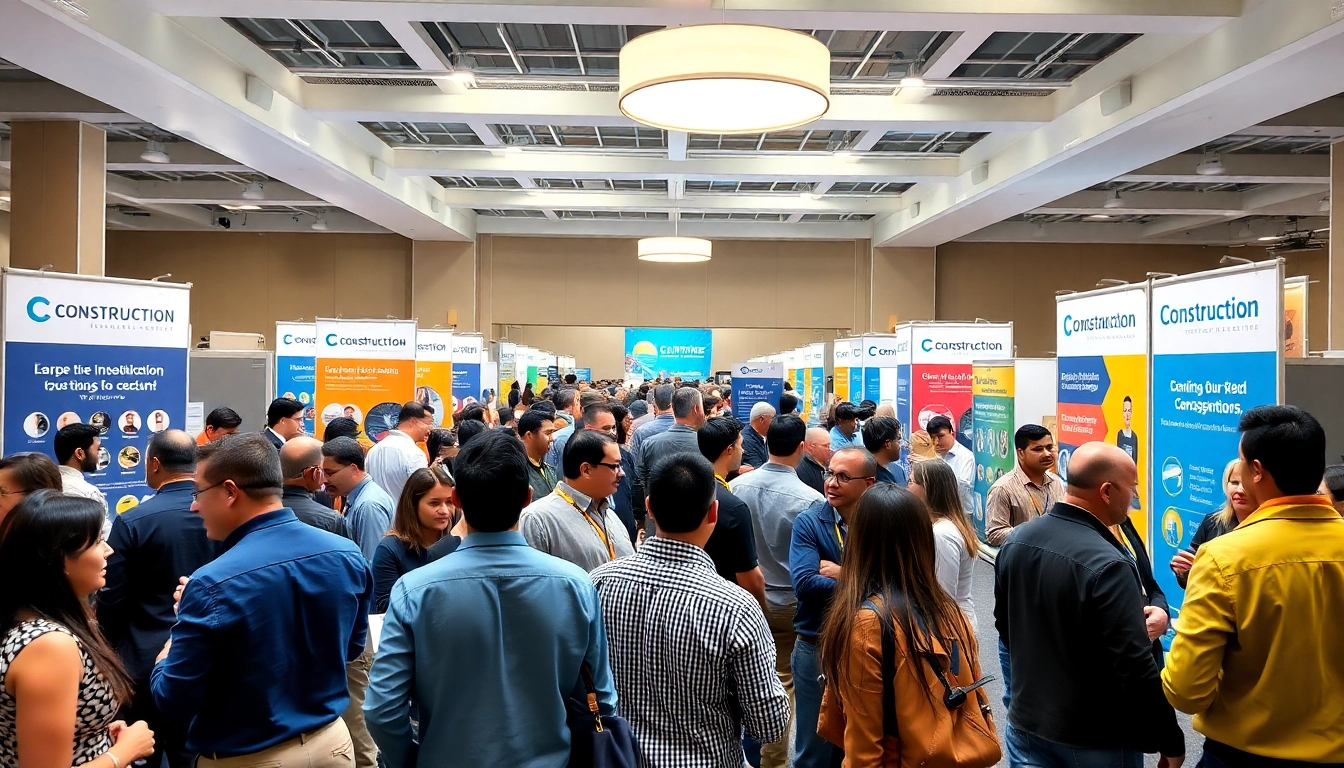
The Importance of Construction Networking Events
In the competitive field of construction, networking events offer an essential platform for professionals to connect, share knowledge, and cultivate business relationships. Engaging with peers, suppliers, and potential clients can significantly amplify one’s career and project opportunities. More than just social gatherings, construction networking events are pivotal in fostering personal and professional growth.
Understanding Networking in Construction
Networking in construction extends beyond simple introductions; it’s about building meaningful relationships that can lead to collaboration and success. Within this industry, professionals often work in project teams that require diverse expertise. By networking, you can identify potential partners who complement your skills and share your work ethic. Effective networking also allows for the exchange of best practices, technological advancements, and emerging trends that can enhance project execution.
Benefits of Attending Networking Events
Attending construction networking events comes with a myriad of benefits:
- Relationship Building: Develop lasting connections with industry peers.
- Market Insights: Gain knowledge about market trends, new technologies, and regulatory changes.
- Collaboration Opportunities: Identify potential partnerships for future projects.
- Resource Sharing: Access a wealth of shared resources and experiences that can aid project execution.
- Expert Guidance: Learn from experienced professionals and industry leaders, enhancing your knowledge base.
Who Should Participate?
Construction networking events are ideal for a broad spectrum of professionals, including:
- Project Managers
- Contractors
- Architects and Engineers
- Suppliers and Manufacturers
- Real Estate Developers
- Students and Industry Newcomers
Whether you are a seasoned professional or just starting, networking can open doors for learning and career advancement.
Types of Construction Networking Events
Understanding the different types of networking events available can help you choose the ones that best suit your professional goals.
Local vs. National Networking Events
Local networking events often provide intimate settings where you can interact with professionals in your area. These events are typically customized to reflect local market dynamics and needs. In contrast, national events can offer broader perspectives from across the country. They provide opportunities to meet industry leaders and participate in workshops and seminars that address universal construction challenges.
Virtual Networking Platforms
With the rise of digital technology, virtual networking events have gained popularity. These platforms facilitate participation from anywhere in the world, removing geographical barriers. Participants can join webinars, virtual trade shows, and online forums to engage with industry experts and peers, making networking more accessible than ever.
Trade Shows and Conferences
Trade shows and conferences are among the largest gatherings in the construction industry. They offer extensive opportunities to showcase products, evaluate tools, and learn from keynote speakers. These events typically include sessions focused on current practices and innovations, making them an excellent platform for industry engagement.
Preparing for Construction Networking Events
Preparation is key to making the most of networking opportunities. The more you plan ahead, the more you can maximize your experience at these events.
Setting Goals for Networking
Before attending, define clear networking goals. Are you looking to develop new partnerships, gain insights, or find suppliers? Establishing specific goals helps guide your interactions and ensures you stay focused during the event.
What to Bring to Networking Events
Ensure you’re well-equipped for the event. Consider bringing:
- Your business cards for easy sharing.
- A notepad or device to take notes on discussions.
- Brochures or materials showcasing your work or company.
- Technology for scheduling meetings or follow-ups.
Crafting Your Elevator Pitch
Your elevator pitch is your chance to make a strong first impression. Prepare a concise, compelling introduction that includes who you are, your field of expertise, and what you’re looking to achieve through networking. Tailor your pitch to resonate with the audience at each event.
Making Connections at Networking Events
Networking is an interactive process. Engaging effectively can significantly impact the value you derive from an event.
Engagement Strategies
To stand out during networking events, employ active listening, ask pertinent questions, and engage in relevant discussions. Show genuine interest in others’ work and be ready to share your experiences and insights. A good strategy is to connect over shared interests or challenges in the industry.
Follow-Up Best Practices
After the event, it’s crucial to follow up with new connections. Send personalized messages thanking them for their time and expressing interest in further conversation. Use this opportunity to remind them of your discussion and suggest next steps, such as a coffee chat or another meeting.
Leveraging Social Media After Events
Social media platforms, especially LinkedIn, can be great tools for continued engagement after an event. Connect with participants online, share insights, and keep the conversation going. Sharing posts related to the event can also showcase your involvement and maintain visibility within your professional network.
Measuring the Impact of Networking
Assessing the effectiveness of your networking efforts is vital for continual improvement and strategic planning.
Tracking Your Connections
Maintain a contact database that includes the people you’ve met and brief notes about your discussions. This will help you remember critical details and enable personalized follow-ups in the future.
Evaluating Event Success
After each event, evaluate its success based on your goals. Did you make valuable connections? Were the sessions informative? Gathering feedback from yourself can guide your decisions on future event participation.
Long-Term Networking Strategies
Networking is not a one-time effort but a continuous process. Build a long-term strategy by regularly attending events, staying engaged with your connections, and updating your networking goals. Diversify your networking efforts by exploring different types of events and engaging with diverse groups within the construction industry.
FAQs about Construction Networking Events
1. What should I wear to a construction networking event?
Business casual is typically appropriate, but check event details. Aim for professional yet comfortable attire that reflects your role.
2. How can I effectively network if I’m shy?
Start by engaging in small conversations with individuals or in small groups. Prepare conversation starters in advance to ease anxiety.
3. Are virtual networking events as beneficial as in-person ones?
Yes, virtual events can provide similar opportunities for connection and knowledge sharing, often with broader participant diversity.
4. How can I keep in touch with connections after an event?
Utilize email, LinkedIn, or other social media platforms to stay connected. Regular updates and engagement help maintain relationships.
5. What is the best way to follow up after an event?
Send personalized thank-you messages summarizing your discussion, and suggest future meetings or collaborations to reinforce the connection.