
Understanding C19/C20 Connectors: Specifications and Standards
The world of power connectors is intricate yet essential for the reliable operation of modern electrical systems, especially in data centers and industrial applications. Among these, the C19 and C20 connectors stand out due to their robust design and high current capacity. These connectors are integral in ensuring that equipment receives the power it needs without risking burnout or failure. In this section, we’ll explore the specifications that define these connectors, their compliance with industry standards, and their practical applications. When exploring options, C19/C20 products provide comprehensive insights into high-capacity power delivery solutions.
What Are C19 and C20 Connectors?
C19 and C20 connectors are part of the IEC 60320 standard, which outlines specifications for power connectors used in domestic and industrial applications. The C19 connector is a female plug typically designed for use on power cords, while the C20 connector is a male inlet intended for mounting on various types of electrical equipment. Together, they form a robust power coupling that supports higher current loads, making them ideal for applications that exceed the capabilities of standard connectors like C13/C14.
Technical Specifications of C19/C20 Connectors
The C19 and C20 connectors are rated for continuous operational currents of 16A at 250VAC under the IEC standard, with the potential for certification up to 20A at 250VAC by UL and CSA standards in North America. A few key specifications include:
- Connector Type: C19 (female) and C20 (male)
- Current Rating: Up to 16A/20A
- Voltage Rating: 250V AC
- Wire Sizes: Maximum wire sizes for rewirable connections can accommodate up to 3 x 2.5mm² or 3 x 12 AWG.
- Cable Diameter: Overall cable diameter can reach up to 12mm, allowing flexibility in installation.
Standards and Compliance in the Industry
C19 and C20 connectors comply with international standards such as IEC, UL, CE, and CCC, thus providing assurance of safety and performance. The presence of a grounding pin in these connectors enhances safety by ensuring proper earth connection, reducing the risks associated with electrical faults.
Applications of C19/C20 Connectors in Modern Infrastructure
The versatility of C19 and C20 connectors makes them a popular choice in various high-demand applications. Their robust design accommodates high power levels, making them well-suited for critical infrastructure installations.
Use Cases in Data Centers and Server Rooms
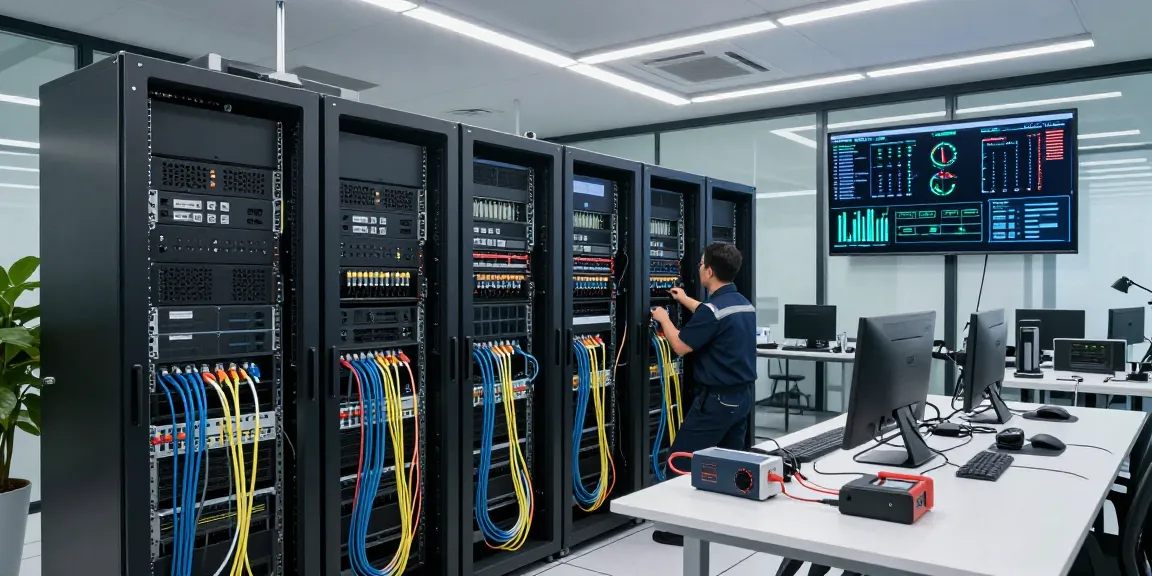
In the fast-paced environment of data centers, where uptime is critical, C19 and C20 connectors play a vital role. They are extensively used to power servers, network equipment, and storage solutions that require reliable electrical supply. For instance, many rack-mounted servers feature C20 inlets, connecting seamlessly to C19 power cables from power distribution units (PDUs).
Integrating C19/C20 with UPS and PDU Systems
Uninterruptible Power Supplies (UPS) and Power Distribution Units (PDUs) heavily utilize C19 and C20 connectors due to their ability to handle higher currents and ensure a stable power supply during outages. Integrating these connectors within a UPS system allows for the direct connection to server racks and high-power devices, facilitating uninterrupted operation and protecting sensitive equipment.
High-Power Equipment Compatibility
Many industrial applications require high-power capacities; C19 and C20 connectors meet this demand effectively. Examples include medical devices, industrial machinery, and large HVAC systems, where maintaining a reliable power source is essential for operational efficiency and safety.
Overcoming Common Challenges with C19/C20 Connectors
While C19 and C20 connectors are designed for high performance, users often face challenges related to installation and power management. Addressing these issues can enhance safety and reliability.
Understanding Current Ratings and Power Delivery
One of the most common sources of confusion is the current rating for C19/C20 connectors. Users must ensure that the devices connected do not exceed the rated capacity of 16A or 20A to prevent overheating and potential damage. It’s crucial to assess the total current draw of connected equipment to avoid overloads.
Installation Challenges and Solutions
Installing C19 and C20 connectors requires careful consideration of the wiring and environment. It’s essential to use appropriate cable types and sizes to ensure safe operation. Utilizing rewirable screw terminals can allow for easy adjustments to wiring requirements as they change over time.
Safety Standards and Grounding Techniques
Adhering to safety standards is paramount in using C19 and C20 connectors. Grounding techniques should be rigorously applied, ensuring proper earthing to mitigate electrical hazards. Regular inspections and maintenance can further ensure that the connections are secure and functional.
Future Trends for C19/C20 Connectors in 2026
The power connectivity landscape is evolving rapidly, with trends indicating increased demand for smarter, more efficient power solutions. C19 and C20 connectors are integral to this evolution.
Emerging Technologies in Power Distribution
As technologies in power distribution advance, C19 and C20 connectors will likely adapt to support smarter systems that prioritize energy efficiency and load management. Innovations such as automated load balancing and remote monitoring systems are expected to integrate seamlessly with these connectors, allowing for real-time management of power distribution.
Innovations in Connector Design and Efficiency
Connector designs are anticipated to evolve to meet increasingly stringent safety and efficiency standards. This may include enhancements in materials and configurations to improve functionality and reduce electrical losses. The incorporation of durable materials will ensure longevity and reliability in demanding environments.
Predictions for Market Growth and Demand
The demand for C19/C20 connectors is expected to rise in tandem with the growing energy needs of advanced technologies such as cloud computing, AI, and IoT. Enterprises will increasingly rely on these connectors to support their infrastructure, leading to market growth and innovation in the power distribution sector.
Best Practices for Utilizing C19/C20 Connectors
To maximize the benefits of C19 and C20 connectors, following best practices is essential for installation, maintenance, and optimization.
Installation Guidelines and Recommendations
When installing C19/C20 connectors, ensure adherence to manufacturer specifications and local electrical codes. Proper orientation and secure connections can prevent accidental disconnections and electrical failures.
Testing and Maintenance Procedures
Regular testing and maintenance of C19/C20 connections can identify potential issues before they escalate. Implementing a routine inspection schedule can help ensure the integrity of connections and overall electrical safety.
Optimizing Performance for High-Demand Applications
In high-demand environments, ensuring optimal performance involves proactively managing power loads, maintaining proper airflow around devices, and investing in quality connectors that can withstand the demands of heavy usage.
What is the primary purpose of C19/C20 connectors?
The primary purpose of C19/C20 connectors is to provide a safe and reliable connection for high-current applications, ensuring that devices receive adequate power without the risk of overheating or failure.
Can you connect C20 to a C19 outlet?
Yes, a C20 plug is designed to connect to a standard C19 outlet, facilitating compatibility across different devices and installations.
What are the differences between C19/C20 and C13/C14 connectors?
The main differences lie in their current ratings and physical size. C19 and C20 connectors are rated for higher currents (up to 20A) compared to C13/C14 (up to 10A), making them suitable for heavier applications.
What safety standards do C19/C20 connectors comply with?
C19/C20 connectors comply with various safety standards, including IEC, UL, CE, and CCC, which ensure their reliability and safe usage in diverse environments.
How do I choose the right C19/C20 connector for my needs?
Choosing the right C19/C20 connector involves assessing your power requirements, ensuring compatibility with your devices, and considering environmental factors such as humidity and temperature.. Additionally, IEC connectors provides further details.